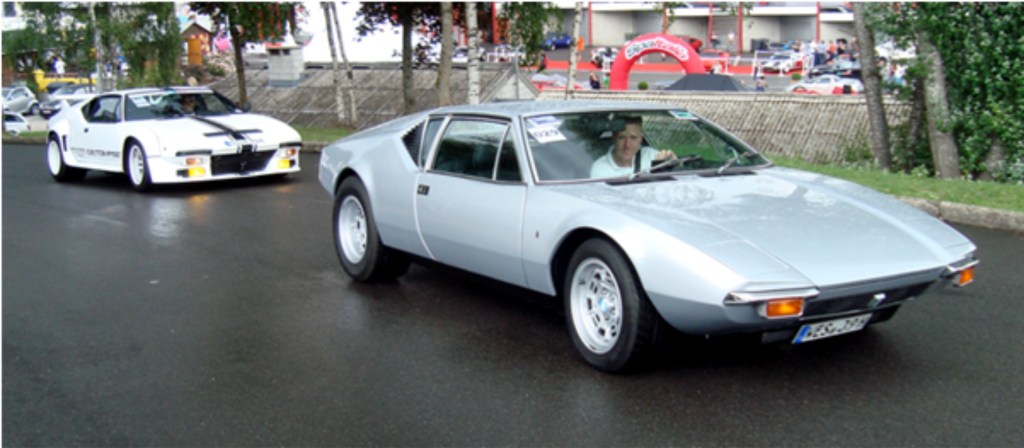
The Pantera is the only De Tomaso model which most people have ever heard of – and that’s just the car enthusiasts. Vallelunga? Guara? Deauville? There are examples of all of these in Australia, but the Pantera is the only model that rings a bell with most people.
Probably not surprising, given that the Italian maker built 10,000 Panteras over the model’s record 23-year model run and the rest in tiny numbers.
Alessandro De Tomaso was a clever man, possibly cleverer than some of the cars he made… He was a marketing genius, with good connections and a passion for exotic vehicles. The Argentinian-born entrepreneur lived his adult life in Italy and married into a very wealthy, well connected American family. His wife’s connections provided the entrée to Ford, which is where De Tomaso was able to make a very lucrative agreement. De Tomaso would build an exotic sports car for American Ford dealers to out-shout Chevrolet’s Corvette.
As part of the deal, he later sold Ghia and Vignale to Ford.
Durability also became an issue and by 1974 Ford had got too frightened by the whole thing and pulled out of the deal, though the cars remained in production for many years to come, with considerably smaller sales through De Tomaso’s own network.
In 1972 the hotter GTS was added, with bigger wheelarches covering wider wheels and more power. 1972 saw the introduction of the Pantera L, primarily to suit American regulations, with big bumpers and a ‘strangled’ engine producing less power.
Subsequent to the Ford period, De Tomaso developed several versions of the Pantera, improving performance and adding enhancements along the way. 1980 saw the GT5 join the range, featuring a huge rear wing, which became a popular fitment on many Panteras.
1986 saw the Cleveland V8 replaced by the Windsor 5.8 litre, which brought with it a drop on performance.
Next came a smooth big blister guards which modernised the look quite well.
In 1991 came the Si model, with a fuel-injected 5-litre V8 and a comprehensive restyle courtesy of Marcello Gandini. Along with bigger blister guards, a silly (Gandini trademark) spoiler at the base of the windscreen, the brakes and suspension came in for redesign in this model. Big plastic wrap-around bumpers and side sills were added, but by now they were really tarting up something beyond its use-by date.
By 1993 the Pantera was a pretty old car that had outrun its life expectancy, and production ceased.
The sales success of the Pantera made De Tomaso a wealthy man and allowed him to develop other models – always with Ford V8s even after the ‘divorce’. He ultimately also owned the Moto Guzzi and Benelli motorcycle companies, Lambretta and Innocenti and Maserati car firms. There were also newer De Tomaso models, but none than sold anywhere near as well as the Pantera.
What do you need to look for when buying a Pantera today? Well, they were not built for longevity and rust is the biggest killer. Where a Pantera has lived its life and how much rust has taken hold can be a major factor for a potential buyer – check everywhere… It’s not just exterior panels that are at risk. Make sure you get a car up on a hoist to see the underneath. Areas inside the engine bay should also be checked.
But potentially more of a problem are modifications. It seems the majority of Pantera owners over the years have not known when to leave well enough alone. There are many cars which have legitimate upgrades, but far more which have been customised by people with questionable taste. This adds nothing to the value (devalues them in some cases). Reversing unfortunate modifications can be as costly as repairing issues of wear and tear.
Probably the costliest risk area in any Pantera is the transaxle gearbox. It’s a sturdy German-made ZF unit, but they have often taken a pounding for years and when they break, they are very, very expensive…
Rebuilt engines are relatively common, unlike with other Italian exotica, because the cost is very reasonable – plus performance upgrades are attractively cheap. There are plenty of specialists who have knowledge and experience with these engines.
Worn suspension can take a lot of the joy and accuracy out of a Pantera’s handling, so should be checked for proper maintenance.
Parts availability is generally good, mostly at a fraction of the price that other exotic car parts sell for. Many of the small parts of hardware are common with other Italian cars of the ’70s. You just need to be able to identify which company made a part…
Wheels can be expensive, though there are aftermarket alternatives in the correct style, including in bigger diameters. But please don’t spoil a Pantera with different designs of wheels… Or a big, dumb wing on the back of a model that shouldn’t have one. Too 1980s.
On some Panteras the removable rear boot box has gone, sometimes to make way for an exotic exhaust system. If you want to carry shopping or luggage, you may need to find or fabricate one.
However, with values rising steadily over the past couple of decades, many Panteras have been thoroughly restored and problems like rust, cooling issues and poor fitting parts have disappeared in expensive restorations.
There has been a steady if slow influx of Panteras from the USA over the past twenty or so years, all being left hand drive. Conversions are relatively straightforward.
When looking, it’s worth first deciding which model you want. Then, look closely at any cars on the market to see whether they are genuinely the model they appear to be. If you’re happy with a GT5 clone that began life as a Pantera L, then that’s fine. Just don’t assume that a car is what it looks like. And pay accordingly.
This week I’ve been driving a new Mazda MX5. What a revelation!
After too many recent drives of SUVs with minimal driving pleasure possible, the MX5 shows there are some car designers and manufacturers out there who understand the simple joys of driving – and of producing a driver’s car without a crazy price tag. The MX5 range starts at $46,400.
The latest MX5 retains the simplicity of analogue driving pleasure, but has adopted all the necessary electronic gimmickry needed to still score enough ANCAP testing points. Yes, there’s a rear view camera, cross traffic alert, (switchable) lane assist, blindspot warning etc, etc, but the joy of perfectly weighted steering which gives such accurate response, a beautiful to use gearchange, the sweetest handling add up to an most unusual pleasure.
Like all MX5s, the engine power isn’t crazy, but is just right for getting the balance of handling spot-on. It’s smooth and torquey for a pretty normal kind of engine – and the 6 gears have beautifully selected ratios. There’s no scuttle-shake and the ride is impressively supple whilst remaining resolutely sporty. It handles speed bumps better than all the recent SUVs I’ve tested.
The inside fits like a comfy glove – the heated seats and powerful heater let you enjoy a cold winter’s day with the roof down. The splash of body colour on the door tops is very nice – even in a car with a colour best described as Metallic Dirt.
The styling isn’t their best effort, the design of the wheels fitted to the review car do it no favours, but these are easy to overlook when the package is so compellingly good.
The manual roof mechanism is the easiest I’ve ever used. The MX5 is completely easy to drive and as economical as a small hatchback.
Congratulations and Thank You to the folks at Mazda for producing such a car.
Mercurys are generally unfamiliar to Australians as the brand was only briefly marketed here around the war years, so the proliferation of models over the brand’s 70-plus years make for unfamiliar sights to us.
The Mercury brand, born in 1938 and died in 2011 had some highs and lows. Designed by Edsel Ford as a brand to fit between the popular Fords and luxury Lincolns, the Mercury marque took the name of the winged messenger to the ancient Greek gods.
Mercury was a success from the start with their 1939 model year cars. While the Mercury’s were clearly Ford-based, the model range expanded quickly. From the start, all models had V8 engines.
In 1947 the Lincoln-Mercury Division was created, combining the Ford brand’s two upmarket marques. And from 1949 Mercurys shared Lincoln bodyshells instead of Ford. This new, sleek shape sold well and would become a favourite with hot rodders in years to come.
By the early 1950s they were back to body sharing with Ford models, but with longer wheelbases, the extra length ahead of the windscreen. Bigger V8s and a major restyle saw record sales in 1955.
During the 1970s Mercurys had become very much restyled Ford products – and while this system seemed to work for most US car makers for decades, ultimately it lead to the decline of the brand.
The final Mercury produced, a Grand Marquis, rolled of the production line in January 2011.
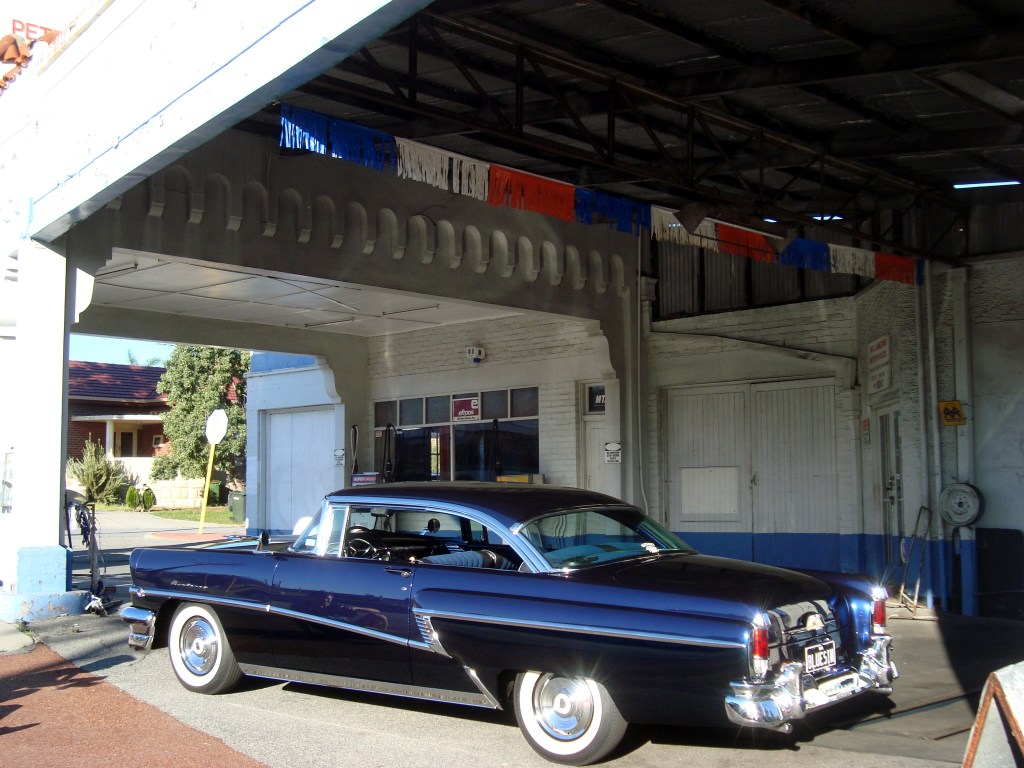
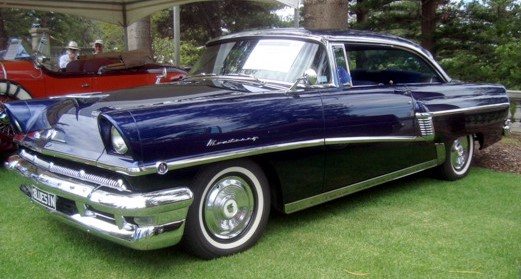
I have the good fortune to travel the world going to many of the great automotive events. Very occasionally an unusual car really catches my eye with its combination of striking looks, rarity and condition. One such car is the 1956 Mercury Monterey featured here, and it’s in my home town.
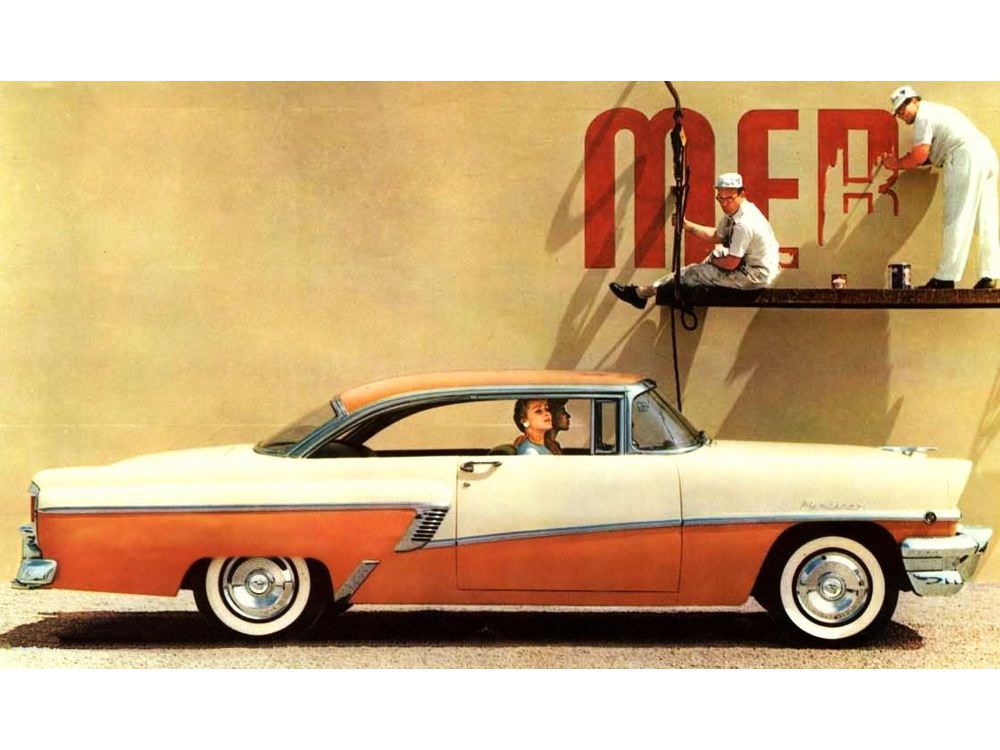
In 1956 Mercury was riding the crest of a wave of popularity. 1955 had been their biggest year ever and the ‘56s were refined versions. The Monterey series were the bread-winners for Mercury and the brand offered several versions – including pillared sedan and wagon, a hardtop coupe and later in the year a hardtop sedan. Most popular by far was the hardtop coupe, with over 42,000 made in that year.
Engines for ’56 Montereys were an enlarged version of the Y-block V8 which with 312cu in (5.1 litre) produced 175kW (235bhp). Lesser Mercurys had less powerful versions of the same motor.
They were good looking cars, with low, wide grilles, muscular ‘hips’ reminiscent of where rear mudguards had been in years gone by and a sleek roofline, especially on the Hardtop Coupe. Big Z-shaped chrome side trim dominated the profile view. This was often the delineator for two-tone paint schemes, with the lower section usually matching the roof colour. There’s beautiful detailing throughout, particularly the badges.
It was clear from the design that the Mercury was a Ford product, but more classy and upmarket. And American buyers understood this. All twenty 1956 Mercury models fitted into the US$2500-3000 range. In total 328,000 Mercurys joined the American carpark in 1956.
How many came to Australia? Probably none in period. Mercury was primarily made for the US and Canadian markets with virtually no interest from the parent company in exports. No right hand drive cars were made. A few have trickled in to Australia over the last couple of decades as classics.
Al Dunnett grew up in New Zealand and his early cars included a lot of Chevvies – including ’55 and ’65 Impalas and a ’66 Chevelle SS, but in recent years has been more taken by 1950s Ford products. He explains how this car came about: “I’ve got two mates with Ford Victorias and wanted something similar. I’d had a ’56 Ford 2-door Club Sedan and knew a bit about them.”
He had seen this Mercury advertised in Unique Cars from a seller in Queensland. “I saw it was a different shape and knew I wanted it straight away.” Al explains. “I got a mate in Queensland to look at it for me. The paint was faded, there were small dents on the trim and body and some really minor rust.” Remarkably, the paint and trim was still original, but showing the wear and tear of fifty years.
The car arrived at Al’s home in Perth and work began soon after. While the car ran alright, Al took off the rocker covers and sump to have a look in the motor. “It was all mint – no sludge and as clean as a whistle inside and the same for the transmission“, which was pleasingly in line with the 41,000 miles the odometer showed.
“The job evolved as I went” Al recalls, “I’d do something and then think, oh, that’s not good enough”. It was pretty much stripped down, but the body remained on the chassis. “At one point I test drove it with a plastic crate as a seat.”
While the car is now spectacularly well restored in all areas, it’s the bodywork and paint that stand out more than anything. House of Kolor special paint colours were mixed for it. While the car was originally delivered new in Los Angeles in Saffron Yellow, Al explains “My ’56 Ford had been yellow and I got sick of the colour”, so two hues of rich metallic blue were carefully selected. The darker colour of lower part of the car changes in different light.
Al was very particular about the finish of the Mercury’s body. “The bonnet was painted three times. First there was a small blemish in the paint, then a bolt from inside damaged it.”
“I wanted perfectly flat panels – not even factory ripples. We welded metal onto the back edges of the doors to get the gaps right.”
During the restoration process Al decided to tidy up the front styling subtly, by removing the over-riders and adding extra grille ends and teeth. With so much attention to detail, the results are something Al is justifiably proud of.
Inside, the back and yellow upholstery had to go, but the original pattern was retained. And in one nice detail, the pattern of the back seat was extended into the rear parcel shelf trim. The period radio is backed up by a modern unit hidden in the glovebox. A lovely period accessory of a swivelling tissue box holder under the dash has been added.
New badges, horn-ring, door trims, sill plates and rubbers were sourced. “A lot of it’s pretty much Ford Victoria parts, though the Mercury is on a longer wheelbase and has a different engine. I got most of the parts from the internet, but I’ve noticed in four or five years there are nowhere near as many parts available for these cars on the net – or they want exorbitant prices.” Al laments.
In the suspension rebuild, the front end has been lowered slightly which suits the car’s look very well.
Al is not big on car shows and as a favour to a friend, displayed the Mercury in the foyer of the Perth Motor Show in 2011, which is where I first saw it – and I immediately thought the car was an obvious contender for Unique Cars, as the photos amply show.
The car runs beautifully and gets an amazing amount of attention on the road. There’s a subtle burble from the V8 – nothing too blatant. If ever a car was a cruiser, this is it.
Is it a car to keep forever? It looks that way, though as the cautious owner explains, “My daughter really wants it and has put her order in for the car. I won’t let her cook for me now.”
Fast Facts
POWER: 175kW@4600rpm – TORQUE: 325Nm – TRANSMISSON: 3-speed Merc-O-matic – WEIGHT: 1628kg – TOP SPEED: 177km/h – BRAKES: Drums front and rear – PRICE NEW: US$2630 – NUMBER MADE: 42,863
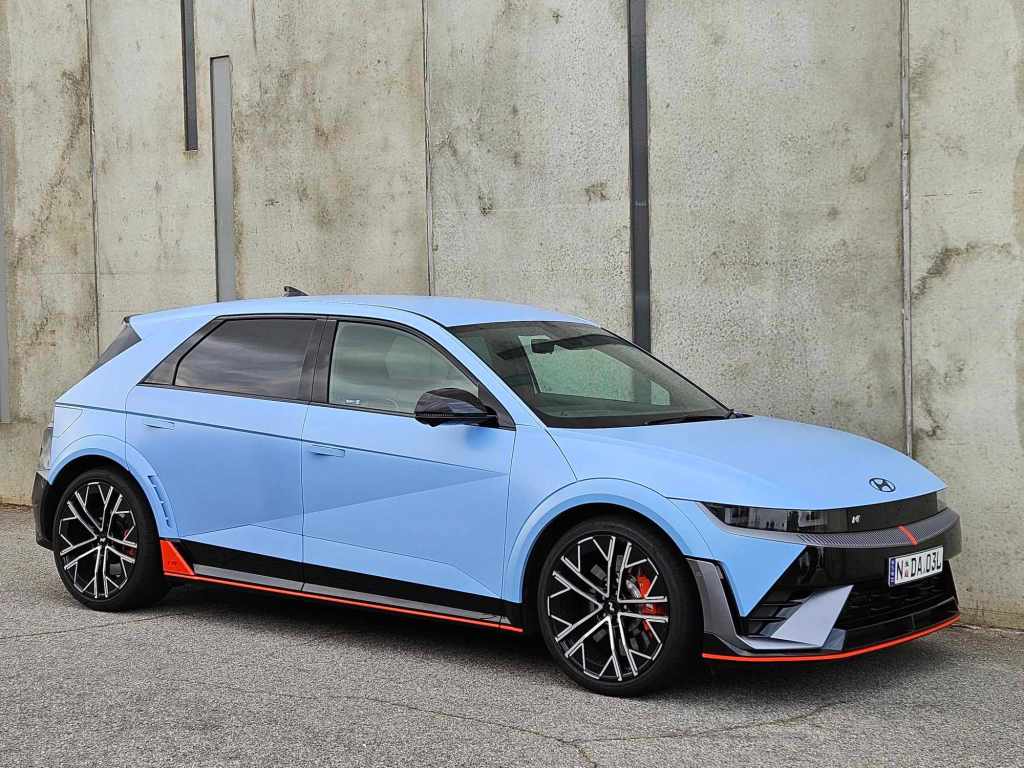
What a blast! Hyundai’s N division has created something very special from their large Ionic 5 electric car. The normal Ioniq 5 is modern, capable and well-sorted. The N technicians have made something overtly sporty with it.
The 5 N is good for 0-100 in 3.4 seconds (from 478kW and 770Nm in boost mode), which for a hefty car, is impressive. That’s double the power of the regular Ioniq 5. With the right combination of buttons pressed, the sheer acceleration pushes your organs backwards and even your facial muscles get a workout. Not just from the G-forces, but your huge grin.
The grip and roadholding are tremendous and confidence inspiring.
The sportiness extends to racing style seats, giant 21-inch wheels with low-profile tyres and paddles for gearshifts. Gearshifts? It’s an electric car with no gears…
Well, the N division obviously has some serious car nuts on the payroll. The 5 N has a few tricks up its sleeve. Push one of the steering wheel mounted buttons and the cars ‘engine’ bursts into life. Using carefully placed under-seat speakers, the car emits engine noise exactly commensurate with how you’re driving the car. It burbles away when plodding around, does gearchange sounds and the revs sound just like they are real.
Add in the paddle shifters and sporty driving and it all changes. The revs scream, gear changes include the feel of a gearchange (thumping on full acceleration), brief cut in acceleration, clever, realistic torque changes in the ‘gears’ and when you back off there’s a wicked exhaust burble. These noises are incredibly accurate and realistic. They add an amazing amount of engagement to the driving experience. Except from outside – anyone else just hears a whoosh.
Somehow, the ultimate gimmick is much more than a gimmick, adding tremendously to the driving experience. And at the touch of a button it all goes silent again – but the car’s still just as fast.
Some of the external styling tweaks are a bit tacky, but the overall shape remains dynamic. The extent of engineering upgrades for the N extends to 42 extra body welds, 2.1 metres of additional structural adhesive and different steering, brakes and suspension. There’s even a drift mode, which I didn’t try…
There are other fast electric cars, but none anywhere near this price point capture overall sportiness so well.
The cabin is well laid out, comfortable, it’s very spacious in the back and pitched at $111,000 the equipment level is appropriately high. This is a very sophisticated car with a lot of technology built-in. And for all its performance, it’s a completely easy car to use around town in everyday traffic.
Often I’m happy to change to the next press car after a week, but the Ioniq 5 N is one I really wanted to hold onto for longer… This car gets a double thumbs-up.
Thinking outside the automotive square is not a new phenomenon. Perth in Western Australia is one of the most far flung outposts. Originally a British colony, its residents are often proud that it is the most isolated capital city in the world.
In the early days of motoring, the cars of Perth generally fell in to two groups, small English cars and large American cars. Some European makes also flourished briefly, mainly with smaller cars too. West Australian roads provided a tough environment for cars, especially with the vast distances and few sealed roads outside of the Perth metropolitan area.
By the late 1920s the Perth Police had a lot of ground to cover, and a ramshackle collection of vehicles for patrols – few of them very capable in a pursuit. The best were four Ford V8s and a Harley Davidson motorcycle they had in addition to some worn out cars as old as 1913.
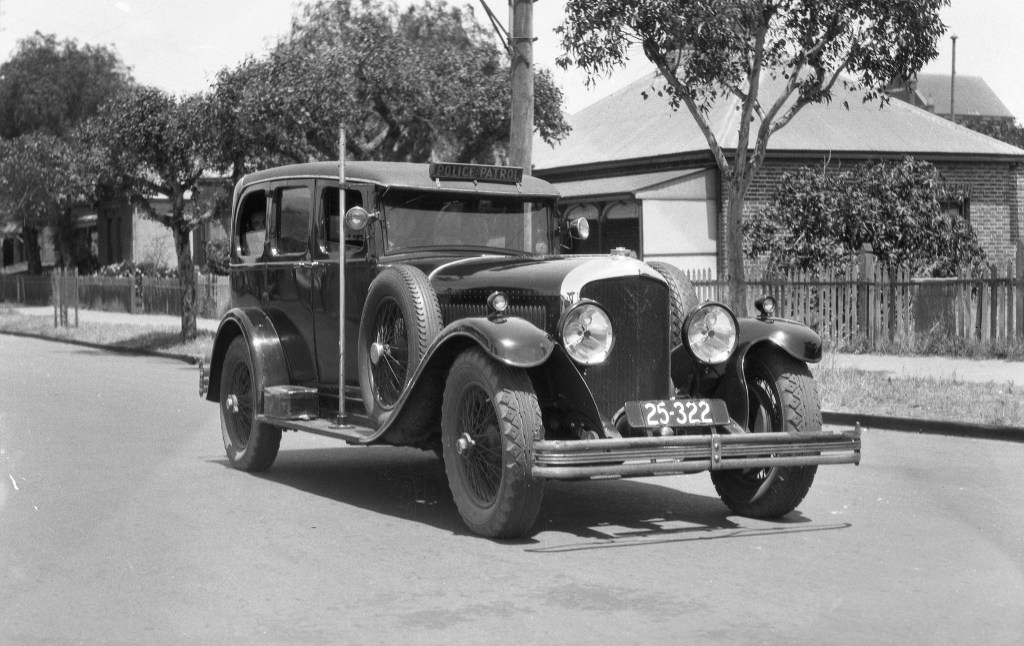
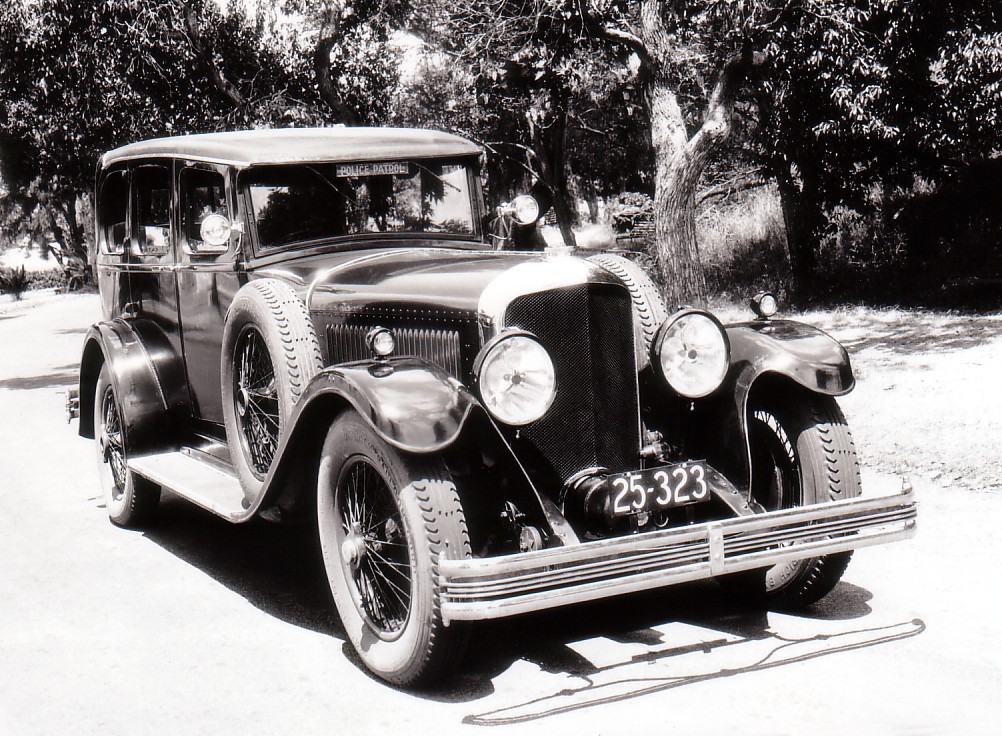
While the start of the Depression was beginning to bite in Western Australia, in April 1930 the Police Commissioner gave a recommendation to Parliament which led to the Agent General in London ordering two new Bentley Speed Six chassis for Police use. This is as remarkable as a Police department ordering new Bentley Arnages today… How could such extravagance be justified?
Somehow the idea was dreamt up that while Perth needed new Police stations, if these cars were to be equipped with two-way radios, it would obviate the need to build ten stations. A pair of Bentleys would cost less than ten buildings. And everyone seemed to like the idea…
Two-way radios were a novelty in 1930, and the Police Bentleys would become the first police cars in the world to be fitted with such units.
The Daily News announced in an article on May 12, 1930, “War on Motor Crooks”. The article went on to explain that “Two high-powered Bentley motor chassis, said to be capable of overtaking any vehicle likely to be seen on Western Australian roads are now on the water bound for Fremantle from England.”
“Within the next week or so four wireless operators will be selected from the many applications received. The equipment of the two patrol cars will mark an important stage in the battle against Perth criminals, many of whom are moving with the times by exploiting motor power to aid them in get-aways and in rapid moves.” The photograph was captioned “Capable of overtaking any motor car bandit”.
The two-way radio system would prove to be a challenge. Whilst some police departments around the world had patrol cars fitted with radios which could receive messages, none had been able to transmit messages. The AWA company was very keen to equip the Bentleys with two-ways, and agreed to a special rental arrangement for the first three years.
Interestingly the radios operated using only Morse Code, not voice. And they were vast units which took up much of the rear compartment of the Bentleys. An operator had to sit to the side in the rear at all times the cars were in use. The Morse Code key was set up on the pillar behind the rear door so that the operator could rest his arm on the radio. Presumably whilst driving this was a risky endeavour.
With its batteries, the system weighed several hundred kilograms. So it’s lucky that the 6.5-litre Speed Six had plenty of power. What Bentley supplied was the same as the 1929 Le Mans racing cars, with the exception of a different compression ratio, camshaft timing and final drive ratio.
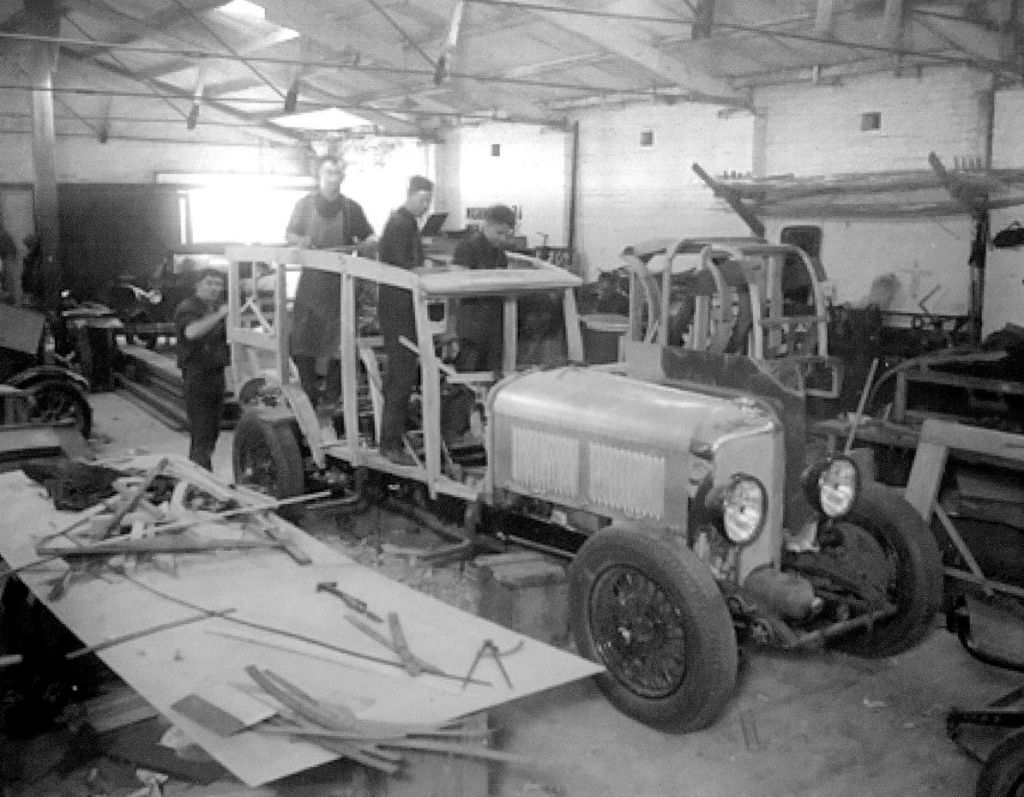
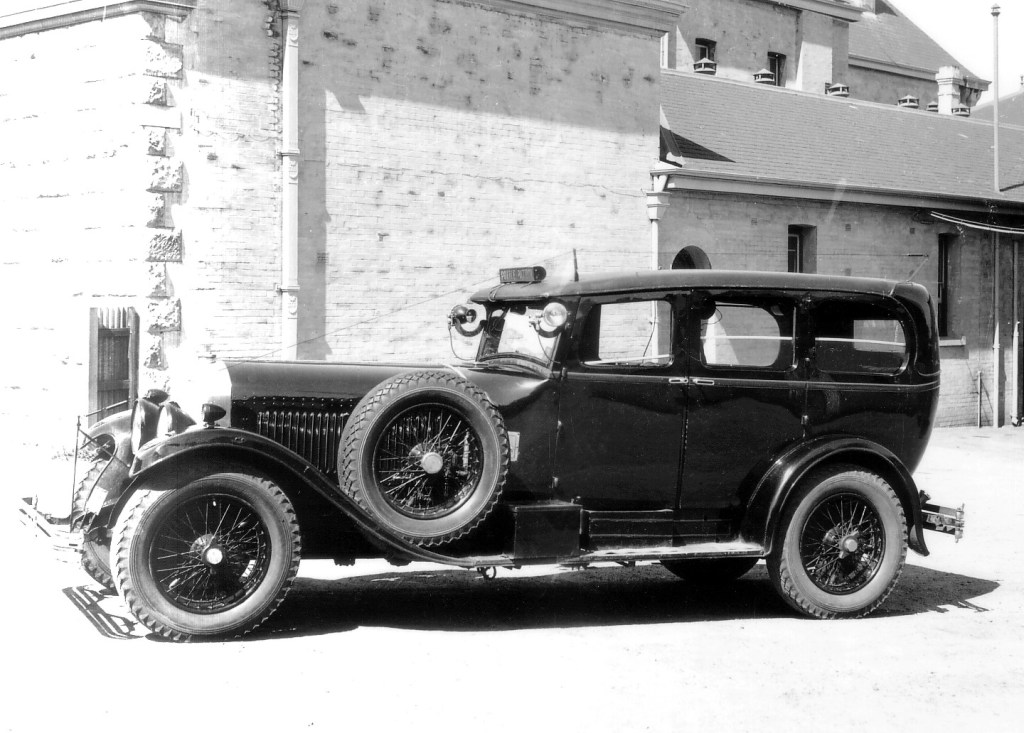
Just as well also, because the Bentleys were fitted with heavy bodies. Bryans Motor Body Works, a small operation in Perth constructed the two bodies exactly the same, using sturdy jarrah for the body frames, and aluminium for the panels. The cars finished up with rather American style bodies, which had been specified to be particularly strong, given that the intended use of the Bentleys would be very demanding.
They began in service in October 1930.
Even with a full crew, the two-way radio and other police equipment and the heavy bodies, the Bentleys were able to perform well. Even after some years of use, in 1935 the Police News noted that one of the cars had been timed at 92mph.
In his 1931-32 report the Police Commissioner stood by the Bentleys, stating “There is no doubt the efficiency of the Department has been considerably increased by the fact that a mobile police station can now be communicated with a moment’s notice.” There was also a detailed analysis of the per-mile cost of all Police vehicles, with the new Bentleys costing less to run than a 1913 Talbot still on the fleet.
It was all good justification for the huge sum of money which had been invested in these cars – however it was not all smooth sailing for the Bentleys.
The two-way radios were not the best performing units imaginable. The cars were largely used for night patrol – between the hours of 9pm and 5am. Perth Central Station was not ideally situated to receive communications from the west or south of the city, so one car was kept on the high ground of Kings Park adjacent to the city centre and acted as a relay for messages for the other car as it roamed the streets. Various antenna setups were tried on the cars.
A crew of four were used in each Bentley – a driver, a radio operator, a sergeant and a ‘runner’ who sat next to the driver ready to leap out and chase after any miscreants on foot. The cars were fitted with sturdy leather straps bolted to the floor in the cabin. One policeman who was in a Bentley crew recalled years later that holding on to the straps was critical when the cars were at speed, otherwise passengers would be thrown about or hit their heads on the roof. The lucky radio operator could be strapped in place.
If the radio system left something to be desired, then the sheer performance of the Bentleys proved their worth many times. The Police claimed the cars were capable of a top speed of 114mph, and one was said to average 96mph on a journey to a house fire in an outlying suburb. These were exaggerated claims – but if ever a car was going to have urban myths develop while it was in use, it would be one of these Bentleys.
The Bentleys were christened “Gently” and “Softly”, though they were well known for their noise as the cars roared around Perth streets. Perhaps Gently from Gently Bentley and Softly to conform… The cars were also sometimes sent to remote rural areas for major crimes, where radio contact proved invaluable.
During World War Two one of the cars was fitted with a gas converter. It produced less than 7 miles per gallon in that configuration and became the car left in Kings Park to transmit messages.
By the late 1930s the radio equipment had been removed. The cars were well known around Perth and in 1947 The West Australian newspaper noted “There has hardly been a major crime committed in this State which has not been affected by one or other of the Bentleys.”
After the war was over, rationing continued and the Police Department decided it was time to sell off their well-worn, seventeen year-old Bentleys. In 1947 the cars were advertised on the Government Tender Board, incorrectly listed as Bentley 4½ litre cars.
Arthur Vance had always thought the Police Bentleys were wonderful cars and when saw them listed on the Tender Board, successfully bid £450 for the pair of cars in January 1948. Unable to afford both and only really wanting one car, Vance had arranged with an acquaintance, Ron Grey to take one car for £200. For his extra £50 Vance had the choice of car and the considerable quantity of spare parts. He chose the car which had not been converted to a gas producer.
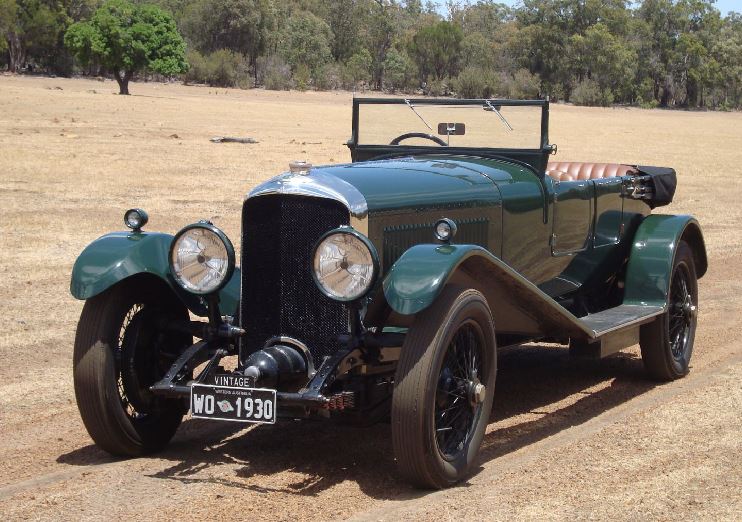
Grey proceeded to use his car covering 40,000 miles until in 1962, having covered 300,000 miles it was involved in an accident and the body was scrapped. The car was sold to a Victorian collector after which it changed hands a couple more times, ending up with Graham Miller who has owned it for many years. It wears a fabric-covered touring body which was constructed in England.
The car Vance bought, had covered 143,000 miles. Like its sister car, the Bentley was put to work, its 150bhp pulling power being quite useful for lugging. The bodywork was quite poor, having deteriorated with seventeen years of hard work often on rough roads, and Vance’s use of it as a delivery truck didn’t help.
By the late 1940s the failure of the differential pinion bearings meant that Vance put the car off the road. Vance removed the Bentley’s body in preparation for a full rebuild of the car – and buried the body in a back yard…
Although this was intended to be a short term project, subsequent industrial accidents meant that Vance did not touch the dismantled car for 25 years. In 1977 Vance came to a sharing agreement with Jim Runciman to rebuild the Bentley. In the intervening years Vance had resisted many offers to sell, remaining keen for the car to stay in Western Australia.
The dismantled car was shipped to Victoria where much of the work was done by specialists.
A new open tourer style body was built, wearing aluminium panels. The bonnet is still the original item. There were many details to attend to – instruments were rebuilt, windscreen pillars and other small items were cast, hinges and door catches and other items were sourced. Jim Runciman recalls “The engine was rebuilt and in October 1987 it fired up for the first time. Although the car was far from drivable this was a momentous occasion as the car seemed to come alive.”
A couple of the ‘old boys’ from the police force who’d used the Bentleys visited Runciman to see the car in the 1980s “One had tears in his eyes” recalls Runciman.
After many years of work, the Bentley was finally finished and in 1996, 48 years after it was last driven, the Police Bentley was back on Perth roads.
Vance has since passed away and the car is now wholly Runciman’s – the second private owner of a car over eighty years old. It has been used extensively, having been rallied in many parts of Australia and taken to South Africa for two rallies. The car has been in parade laps at the Australian Grand Prix in Melbourne and has competed in the Phillip Island Historics as well as the Classic Rally in Western Australia.
“When we attended the VSCC Silver Jubilee Rally in Victoria, by chance I decided to look at the chassis numbers of the three Speed Sixes that were there – and they all had successive chassis numbers.” Runciman says.
Runciman has done over 20,000 miles in the car, one of which was a trip in 2002 to Uluru (formerly known as Ayers Rock) in central Australia, along with three other Speed Sixes. So nobody could say this car has been pampered – ever.
“It’s a great cruising car,” Runciman enthuses, “on a moderately winding road it’s capable of 85-90mph and even after 4 or 5 hours is still comfortable. But it’s a pig to drive in city traffic because of the heavy steering and crash gearbox – it gives a wonderful insight into motoring of that era”.
In some ways it’s a shame that the original Police bodywork is no longer there, but in 1949 it was really just rubbish. But it’s wonderful that these cars still exist and they are testament to the amazing decision to order the Police Bentleys made over 80 years ago.
In a letter from Vance, published in Motor Sport in May 1949, he noted “When we took delivery of the cars from the plant engineer’s workshop, the parting was too much for the mechanic who assembled them and had ‘nursed’ them through their long and chequered career, such is the mark these grand old cars leave on one.”
Here’s a story I wrote for a magazine a few years ago – later I helped find new homes for both cars.
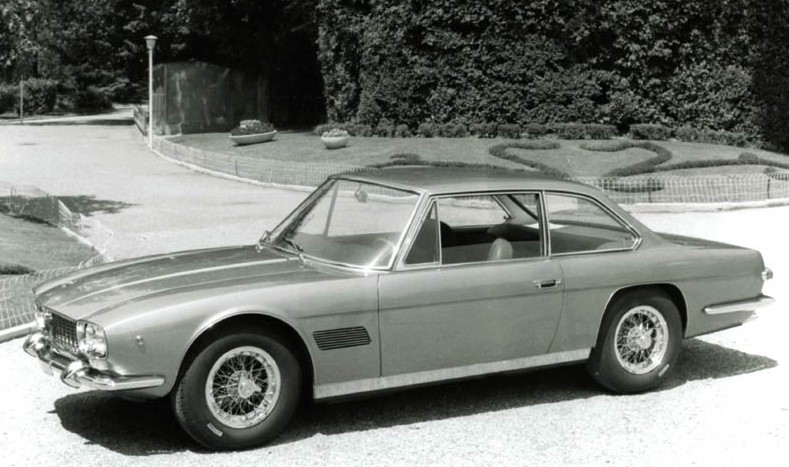
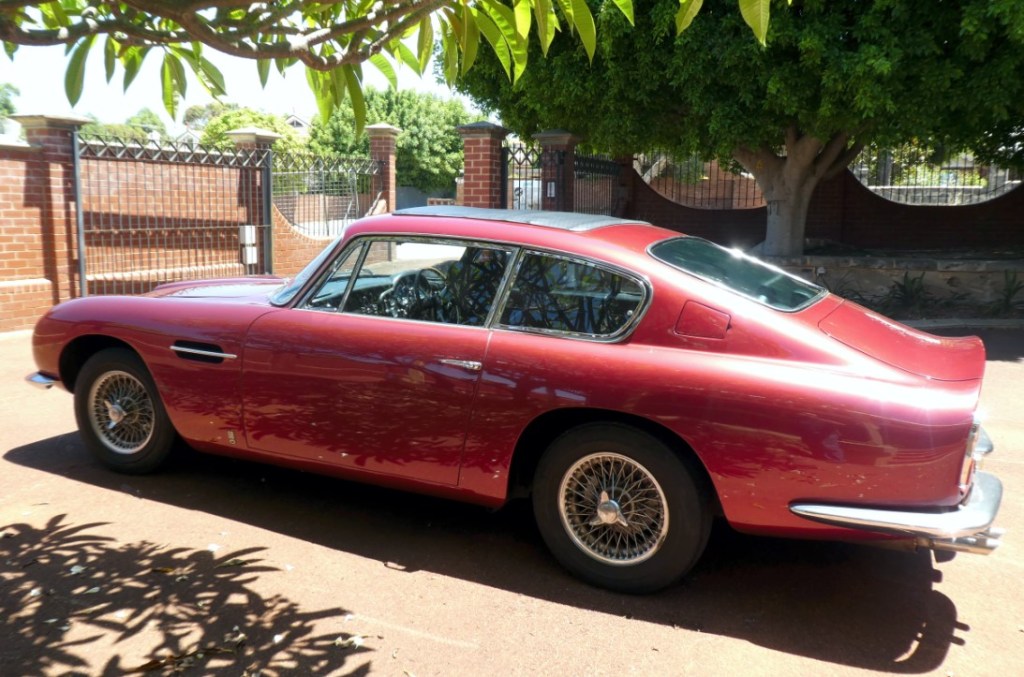
Maserati Mexico & Aston Martin DB6 by Paul Blank
It’s 4 o’clock in the afternoon on a typically sunny spring day in Monte Carlo and the daughter of a well-to-do Italian industrialist has just arrived in town. Gabriella enjoys the finer things in life that her father’s business success has allowed her to indulge in.
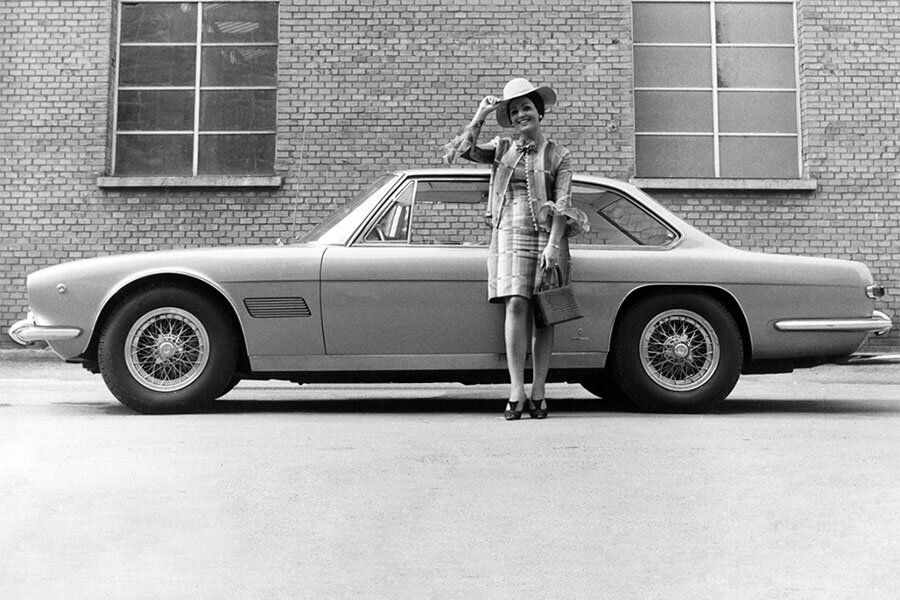
It is May, 1969. Recently Gabriella took delivery of a new Maserati Mexico. It’s a very sexy looking car, finished in light metallic blue with Borrani wire wheels which sparkle in the Mediterranean sunlight. She has driven down from her home in Milan for a weekend of fun in Monaco. The drive from Northern Italy takes most of the day, and after getting out of the Fiat 500 infested traffic jams of Milan, Gabriella relishes her first chance to put her foot down when she reaches the Autostrada.
Luckily, her brother is a racing driver who has achieved moderate success in sports cars and has taken Gabriella for a few days of tuition at local circuits. She knows how to enjoy the 290 horsepower that her Maserati’s quad-cam V8 motor produces.
Maserati has just launched the enlarged 4.7-litre version of this engine, supplanting the earlier 4.2-litre and gaining another 30 horsepower. The Mexico was first seen in 1965 and this new version is capable of 250km/h, and can accelerate to 100 km/h in just 7.5 seconds. That’s enough to let Gabriella beat her friend’s E-Type Jaguar and her brother’s Ferrari 330GTC at the Traffic Lights Grand Prix.
The elegant styling of the Mexico is the work of Italian company Vignale. With the traditional Maserati grille up front, well proportioned if restrained lines with some beautiful detailing, the Maserati oozes class without being too showy. Gabriella’s last boyfriend had one of those gaudy Corvette Stingrays and it was not approved of by her family.
The sun shone on Gabriella as she accelerated up to 160 km/h, her comfortable cruising speed in the Mexico. From this speed it was easy to knock the precise-moving, if slightly heavy gearstick back to fourth to overtake enthusiastic Alfa Romeo drivers and leave them in the gentle wake of the Maserati. The radio played the latest hits by Tom Jones, while the newly available standard fitment of air conditioning kept the spacious cockpit just right inside.
The vision out of the cockpit is exceptional for the time, the Mexico having a very low waistline and elegant, thin pillars. The interior abounds with gorgeous details, such as the polished wood surround for the rear cigarette lighter, and the long row of switches central on the dashboard.
On her drive to Monaco Gabriella decides that taking the back roads through the south of France to Nice, then on to Monaco would be fun. And she’s certainly right. Through the mountain passes the disc brakes get a work out as Gabriella rows through the gears, keeping the engine on song. She turns the radio off through the switchbacks and tight turns to take in the wonderful sounds that the four Weber carburetors, deep thrum of the exhaust and protesting Pirellis make. Luckily Gabriella had her Maserati fitted with the newly optional power steering.
While the Maserati is very much a luxury car, the sporting and racing pedigree shows through clearly. The car grips the road tenaciously, though there’s some body roll, once you’ve become used to it, it is just a natural part of the handling characteristics.
As Nice approaches, so does the traffic, but Gabriella knows there’s still the pleasure beyond of the Grande Corniche – the highest of the three choices of road between Nice and Monaco. With sheer drops, short tunnels and spectacular views of the bluer-than-blue water of the Cote d’Azur the only obstacles to complete driving pleasure are the scooters and old Renaults occasionally encountered.
So it’s not long before Gabriella cruises into Monaco, the car dealing well with traffic, showing no signs of being temperamental after the day’s drive. Pulling up right outside her favourite café Gabriella waltzes inside for a well deserved esspresso. Her Maserati awaits outside, the exhaust ticking quietly – gaining admiring glances from passers by.
Our man Derek is a Londoner and a self-made man. After several years establishing his building company, Derek has dabbled in the stock market with equal success. It seems that whatever he has turned his hand to works out very well. For his fortieth birthday Derek decided to reward himself.
After a series of Jaguar saloons, the most recent a 3.8-litre S-Type, Derek has decided that he would take the step up to a new Aston Martin. He had several acquaintances who had owned them over the years all of whom spoke very highly of the marque. The DB6 has been on the market for a few years and seemed just the ticket. A Rolls-Royce is too much an old man’s car for him and of course Derek would never consider a foreign car.
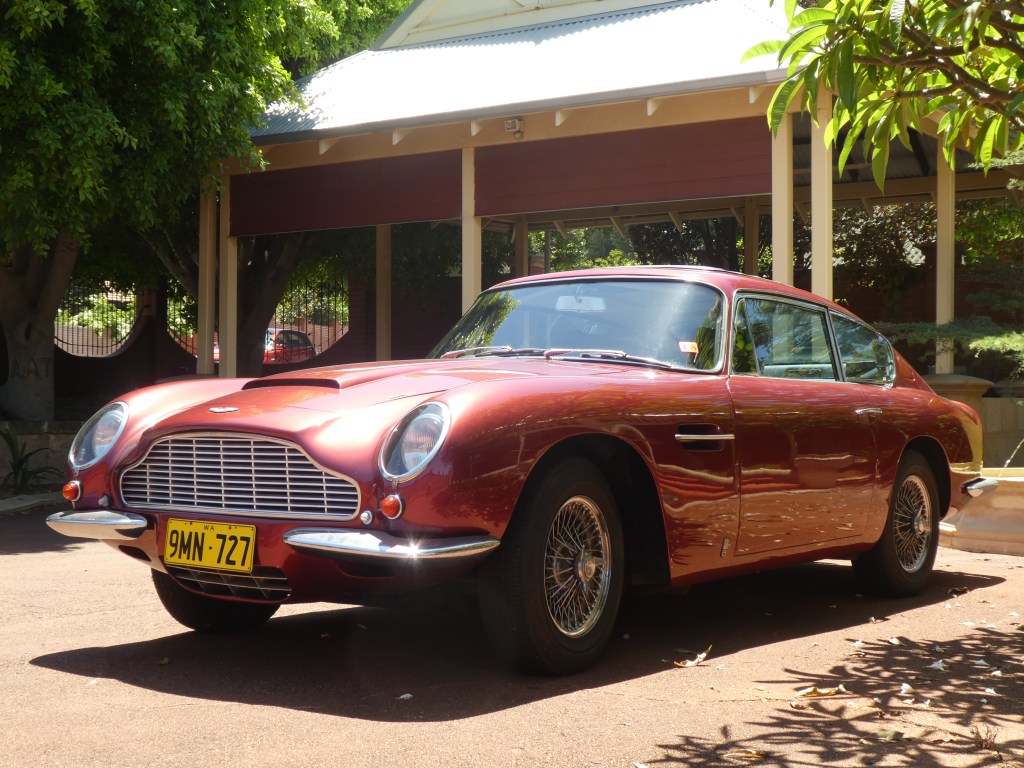
Aston Martin had developed the DB6 from the popular DB4 and DB5 models which had first been seen in the late 1950s. With elegant Italian styling by Touring and their lightweight Superleggera construction, these cars had been the darling of the well-heeled in England. The DB6 had a more spacious cabin, sitting on a longer wheelbase, and up-to-the minute new styling at the back, featuring a ducktail rear spoiler.
There was ample power, and while Derek was used to strong 6-cylinder engines in his Jags, the similar configuration of the Aston engine produced a lot more power. At 282 horsepower, that was a good sixty more than his heavier Jaguar had. Derek didn’t really care about the technical aspects of his car. The 3995cc capacity, twin overhead camshafts, rack and pinion steering and triple SU carburettors really meant nothing to him. Much less, the optional fuel injection…
He imagined himself as a sort of James Bond in his car – even though 007’s car was a DB5, not many onlookers knew the difference. Sitting on stylish 15×6 centre-lock Dunlop wire wheels, with the sleek aerodynamic shape, the DB6 looked the part. The styling, especially at the front, with the Aston Martin hallmark grille and side vents and the glass-covered headlamps shows an exceptionally smooth, sleek shape.
Derek parks pretty much as he likes, two wheels up on the footpath – you know the sort of guy. There isn’t really a parking space in front of his tobacconist on New Bond Street anyway. Luckily the DB6 is a tough sort of car, and could withstand the kind of treatment Derek dishes out.
Inside, the black leather seats are more suited to comfort than sportiness (a bit like Derek – no flared pants for him!) and the dashboard has an impressive array of instruments. The adjustable wood-rimmed steering wheel looks very attractive in a traditional kind of way. Derek didn’t bother ordering his car with the optional air conditioning, however he did get power steering, which is very useful for parking in central London if a tad vague at speed. He rather wonders if the instead of the 5-speed ‘box, perhaps the optional automatic transmission would have been a good idea. But then it wouldn’t be anywhere near as sporty would it?
The DB6 is pretty well fitted out, with electric windows, lockable glovebox, passenger grab handle, deep pile carpet and even a fire extinguisher.
Derek finds the whole Beatles phenomenon just too unpleasant and plays classical music on the 8-track sound system he has just had fitted.
Inside, the car is completely trimmed in black, the seats, door trims, dashboard and carpet – all making it a rather claustrophobic place. Fortunately Derek had the foresight to have a large Webasto fabric sunroof fitted by the dealer before he took delivery. With that open, the glimpses of London sun shine in and keep the cockpit from being too gloomy.
By comparison to Gabriella’s Maserati, the Aston’s handling is not quite so fluid, but the roadholding is nevertheless excellent. Girling disc brakes front and rear pull the car up very well, though they’re prone to a bit of fade in heavy use – not that Derek would ever find out.
There’s a lovely bark to the exhaust note from the Tadek Marek designed engine too. Under strong acceleration the nose lifts and when braking heavily it dips noticeably.
Unfortunately Derek’s DB6 is destined to spend almost all of its time in central London, but if Derek was ever to take the car out in the country, he’d find the top speed of 145mph and vivid acceleration a revelation. This car is much faster than any of his Jaguars, but he never really explored their performance potential either. Still, Derek only keeps his cars for two years, so hopefully the next owner of his DB6 will appreciate what this thoroughbred is really all about.
Aston Martin built 1567 DB6s, plus another 215 of the coveted convertible version called the Volante. The last DB6 was made in 1970 by which time the new DBS was in full swing. Maserati on the other hand only made 482 examples of the Mexico, with production finishing in 1972.
Today both of these are very rare and desirable cars for collectors. Naturally the Maserati is seen in fewer numbers and only a handful exists in Australia. The fine example photographed is a 1970 model owned by Perth-based enthusiast Warren. He bought the car having seen it advertised in Unique Cars. While the car was in very good condition when Warren bought it, the car has been the subject to detailed improvements to bring it up to top condition.
The Mexico gets used only occasionally as Warren works away much of the time. When he’s in town and the sun is shining, he uses it every chance he’s got.
Perth owner Ken’s Aston Martin DB6 is finished in beautiful, rich Dubonet Red, with an all-black interior. It first came to Australia in the mid-1970s and has benefited from refurbishment before Ken bought it. Having previously owned a couple of British sports cars – an MG TC and a Marcos, Ken had been looking for an Aston Martin for a while, though not seriously hunting.
When this DB6 became available, he found that the car had a good history and decided to buy it saying “If I don’t do it now I never will”. That was six years ago and he’s never looked back.
“I’ve only done routine maintenance on the car” and Ken says that the car gets out at least every couple of weeks. “We took it on a run to Kalgoorlie with the club, and have been south to Margaret River with the car.” says Perth-based Ken. It is definitely a car he intends to keep forever.
These two very exclusive cars would have vied for the same customer’s money when new. Each has vast amounts of character, style, exclusivity and performance to match. How would someone choose between two such rare beauties? It’s just a matter of personal taste.
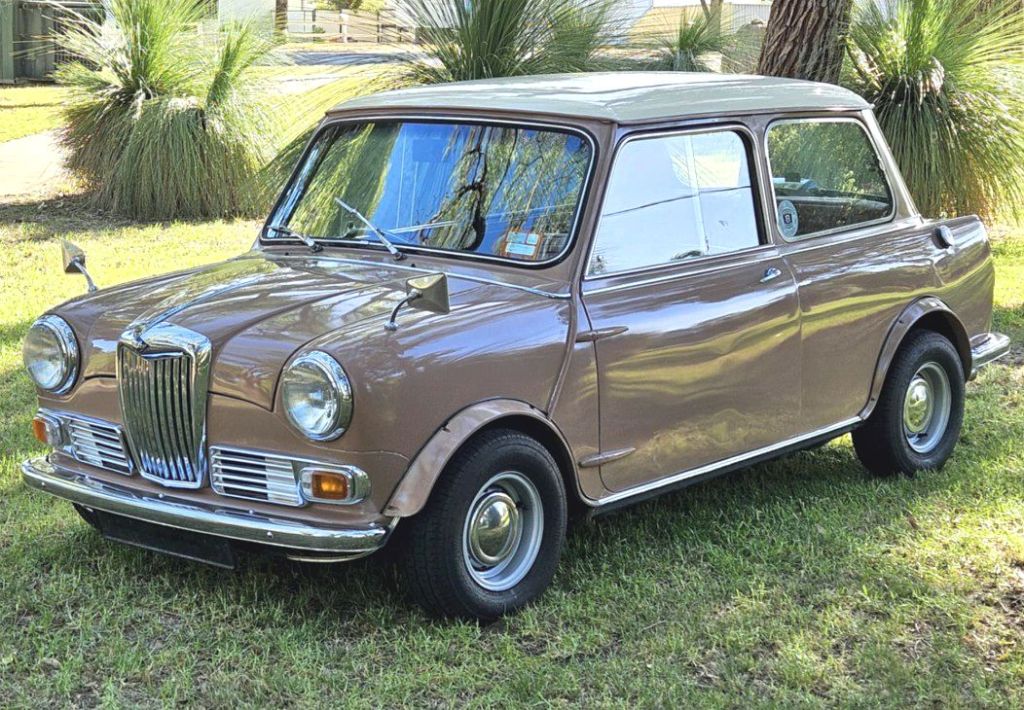
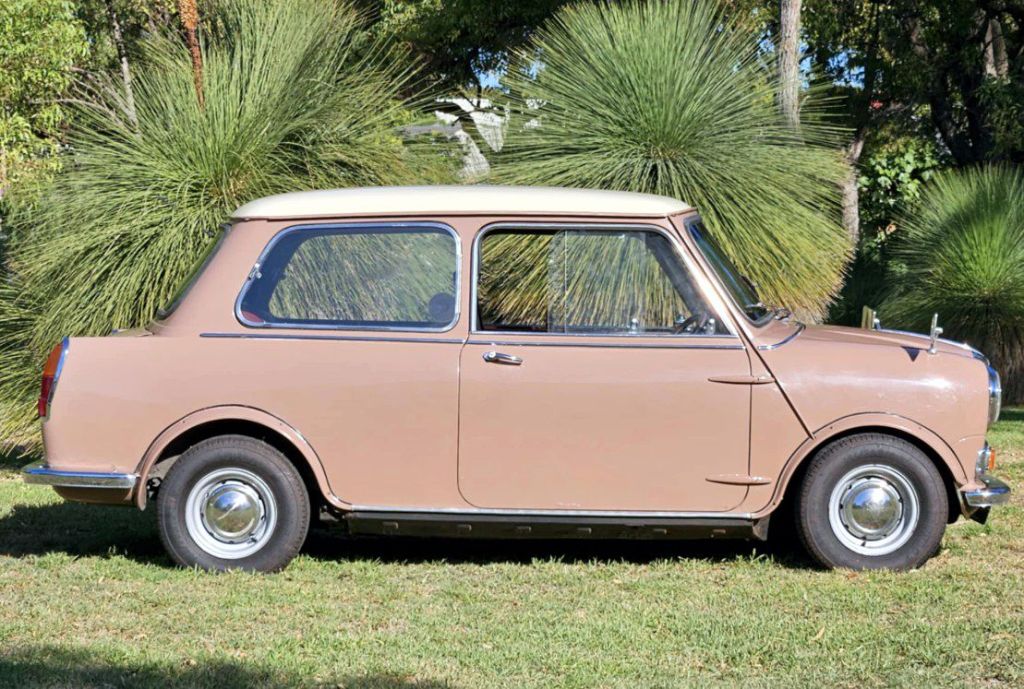
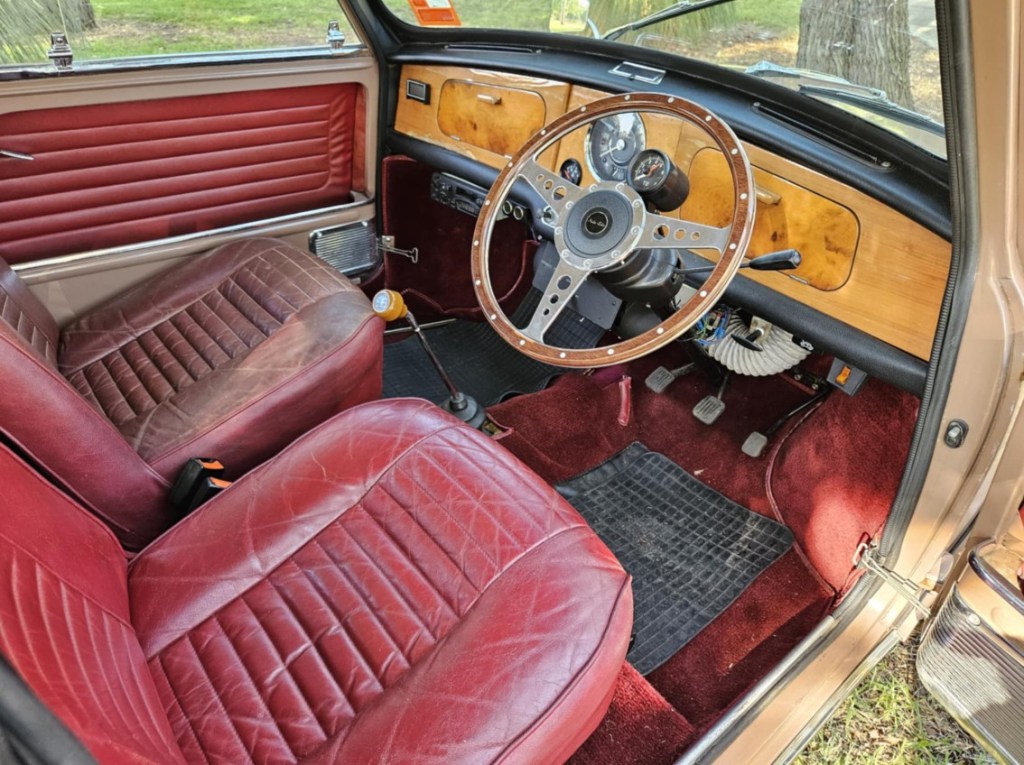
Based on the original Mini, the Elf differed in several significant ways, primarily the addition of a longer boot at the back and a traditional grille for each marque at the front. Inside, full polished wood dashboards, leather seats and full carpeting marked this more salubrious version.
They also benefitted from the more powerful engine option from the Mini and a much higher standard equipment level. Riley marketed the Elf as “The World’s Most Luxurious Small Car”.
This car is finished in Arianca Beige, with a Pale Ivory roof and red interior. The early history of this car is unknown.
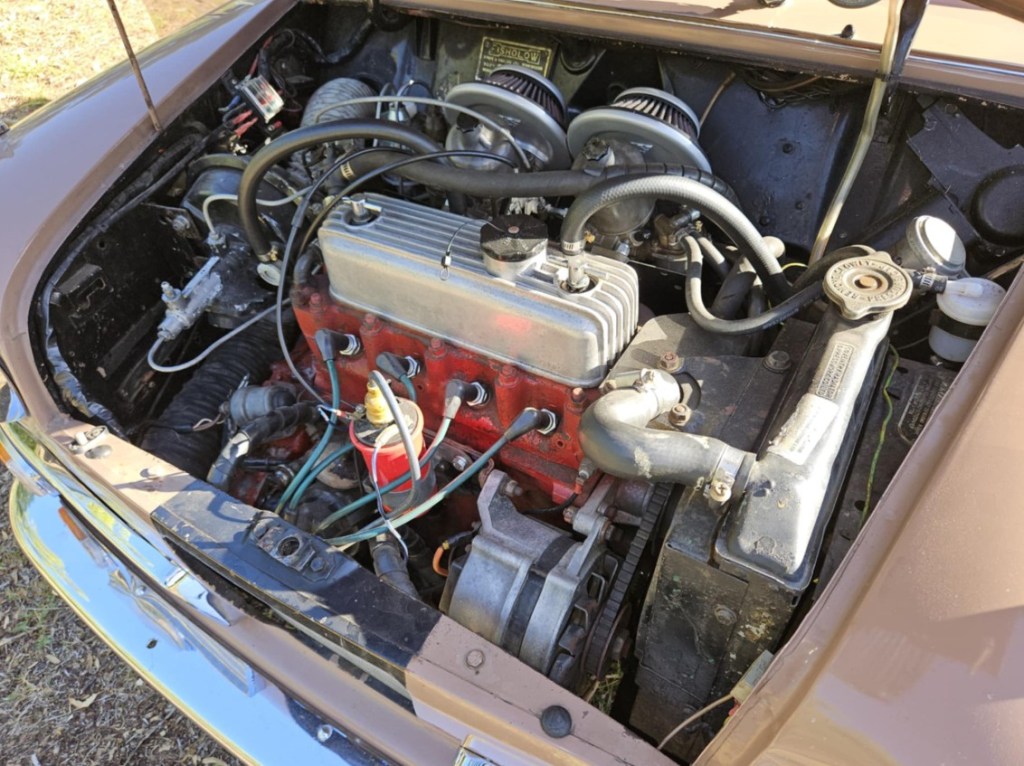
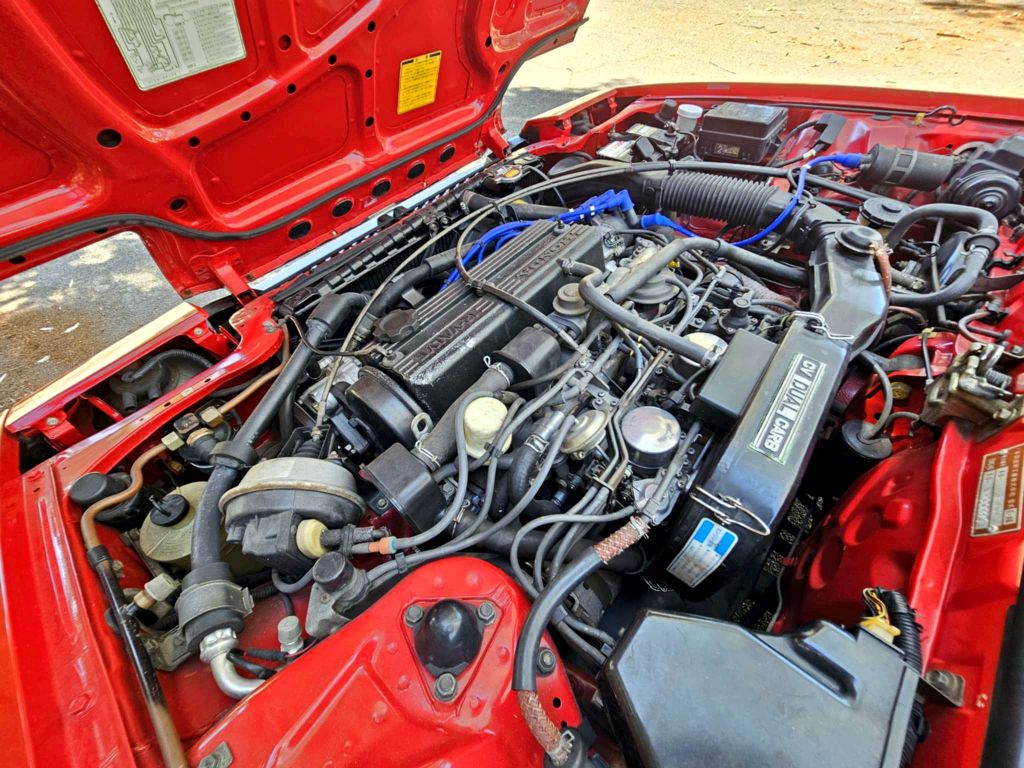
The previous long term owner made some significant upgrades to the car. This included a rebuilt motor, bored-out to 1380cc, which provides considerably more performance than the original 998cc capacity could. This was based on a Mini 1275LS unit, which along with the more modern gearbox gives synchromesh on all gears and a nicer remote gear change. The improvements included twin HS4 SU carburettors, LCB exhaust manifold, an oil cooler, alternator (instead of a generator), alloy rocker cover and servo assisted disc brakes on the front. All decent improvements to the Elf’s drivability.
The car also received a set of Cooper wheelarch extensions and widened wheels which gives the car a nice stance and better grip.
There are a few small blemishes, such as a small mark on the bonnet from inside, but the only signs of rust are at the bottom of the driver’s door. Inside, some of the clear varnish on the woodwork is deteriorating.
The car has recently arrived from Victoria. A Certificate of Roadworthiness was issued for the car in December 2024 in Victoria. It has not been registered in Western Australia – and is eligible for club license or full license.
The owner notes the Elf has excellent performance, the spritely car living up to expectations.
These are rare cars and a fascinating upmarket version of a long term classic.
Please request an email with full details and more photos, from paul@classicrally.com.au
Whilst every effort to ensure accuracy is made when preparing the description of a car, much of the information is provided by the owner and cannot be guaranteed to be accurate and complete. Some errors and omissions occur occasionally and we cannot be held liable for any loss or damage arising from incorrect or incomplete information or any reliance which might be placed on information provided. Any potential purchaser is advised to make his or her own independent investigations or inspections to determine title and whether a vehicle is suitable for purchase.
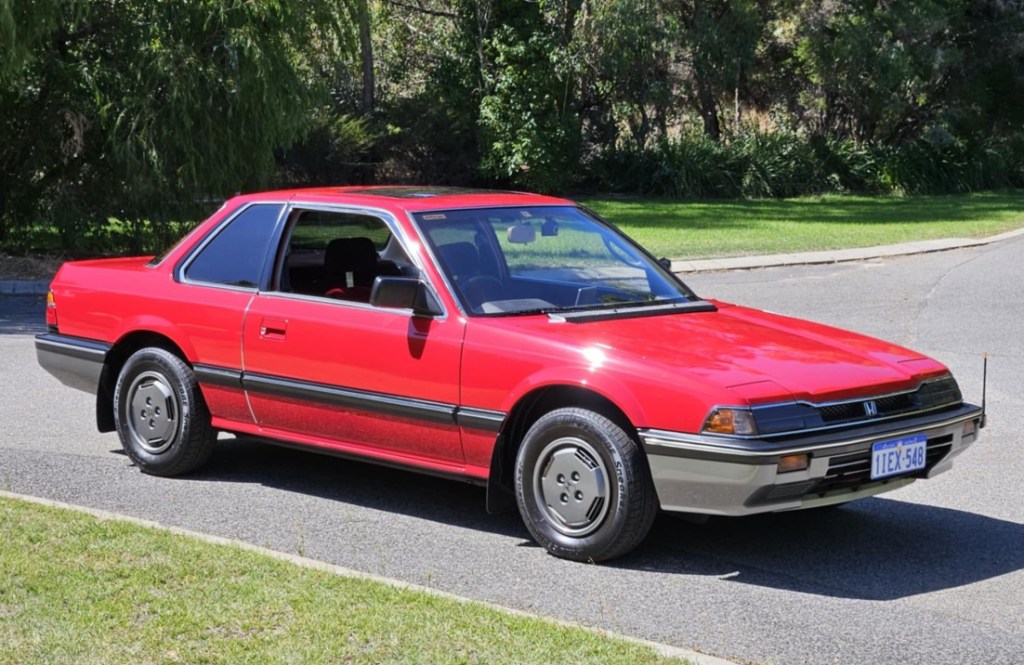
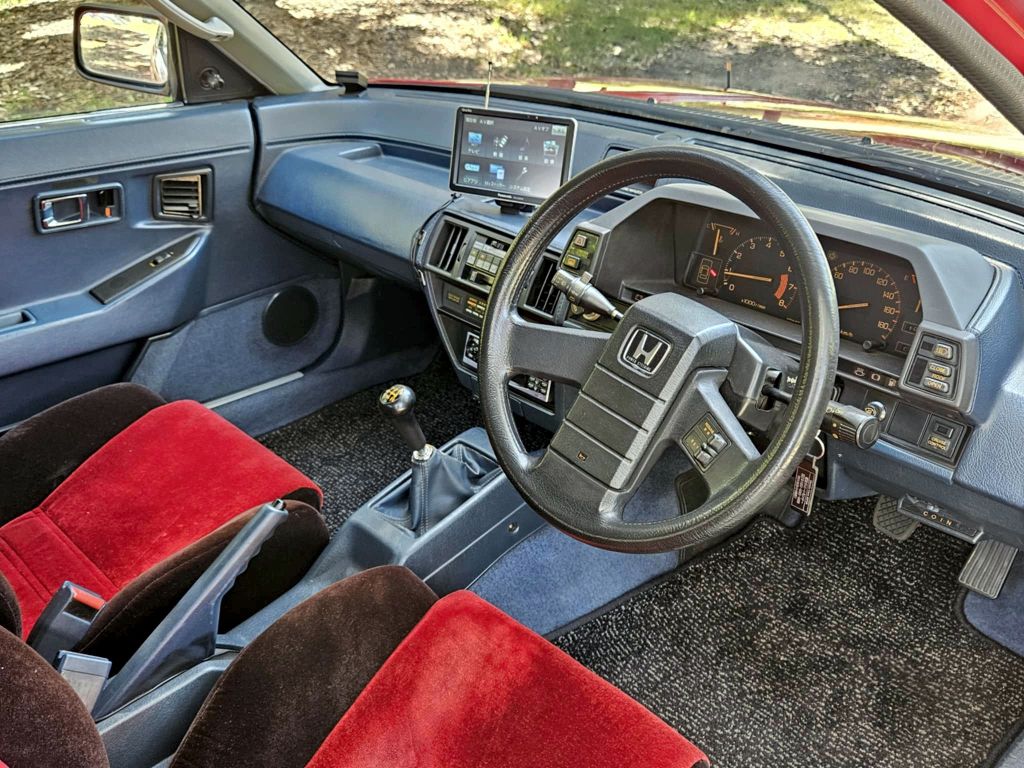
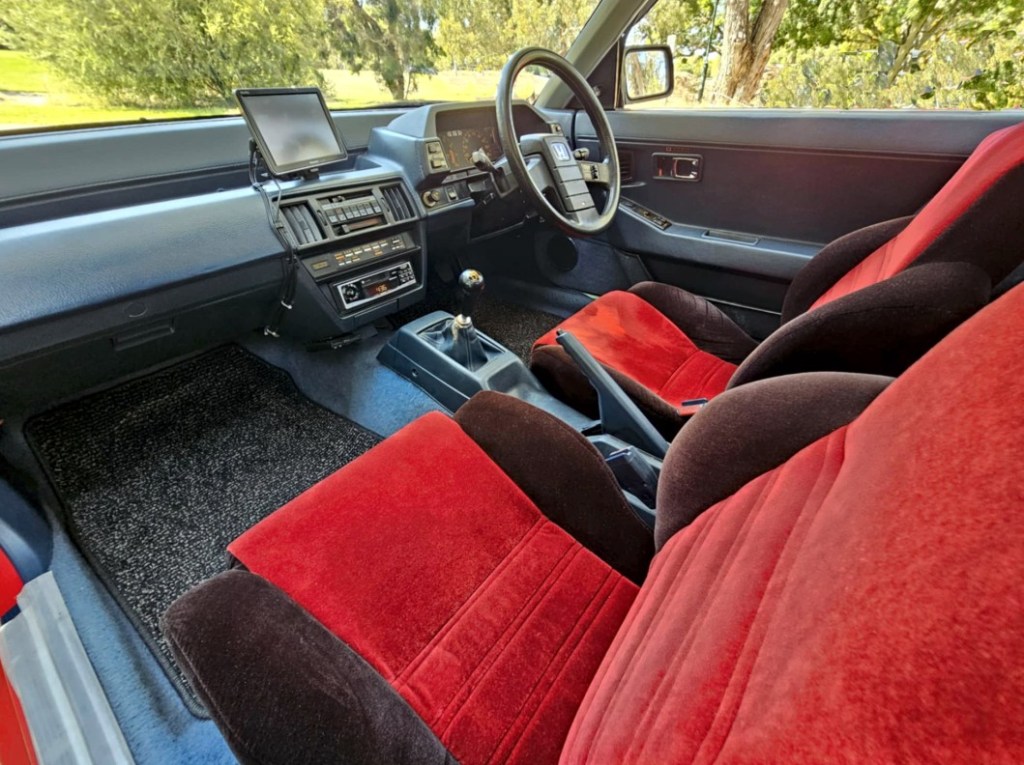
This second generation Prelude features the 1.8-litre, twin carburettor engine giving 92kW – 125bhp. The five-speed gearbox shifts very nicely and complements the peppy engine.
The XX was the highest spec version, with power windows, glass sunroof, power steering, central locking, disc brakes, ABS, air conditioning, cruise control and even a wiper on the rear window.
This very smartly presented example was delivered new in Japan. It was imported in 2023 as a car to have some fun with, was complianced and registered but has seen very little use.
It is clear on inspection that this Prelude is far above average. The car’s very low mileage of 109,300km is no doubt a part of the reason. It presents exceptionally well inside and out.
On the road the car is a pleasure to drive, completely easy and stress-free.
With interest in Japanese classics soaring, this very tidy, low mileage car will be certain to provide many years of pleasure ahead.
A pristine example such as this would be very hard to find anywhere in the world and as such, offers a very rare opportunity.
Please request an email with more details and photos from paul@classicrally.com.au
Whilst every effort to ensure accuracy is made when preparing the description of a car, much of the information is provided by the owner and cannot be guaranteed to be accurate and complete. Some errors and omissions occur occasionally and we cannot be held liable for any loss or damage arising from incorrect or incomplete information or any reliance which might be placed on information provided. Any potential purchaser is advised to make his or her own independent investigations or inspections to determine title and whether a vehicle is suitable for purchase.
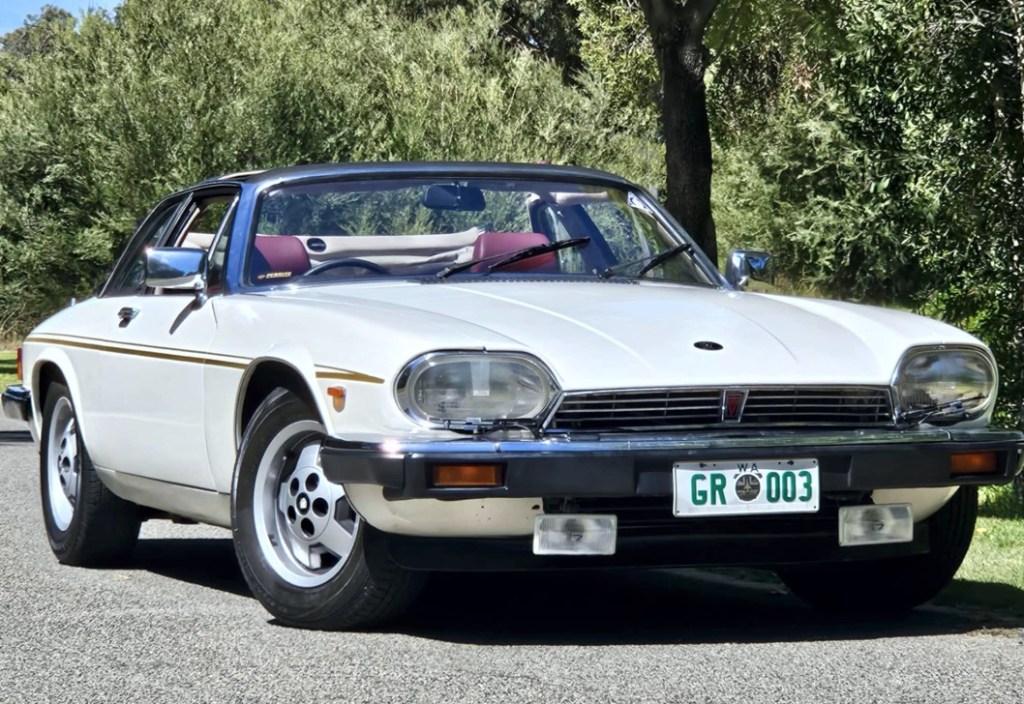
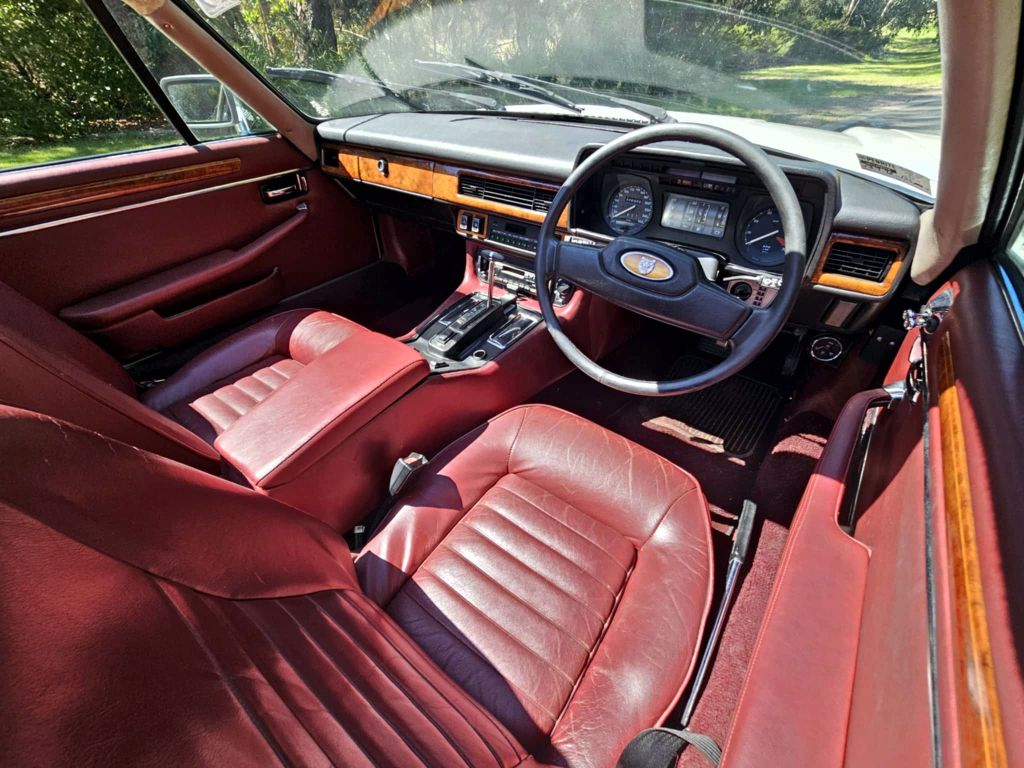
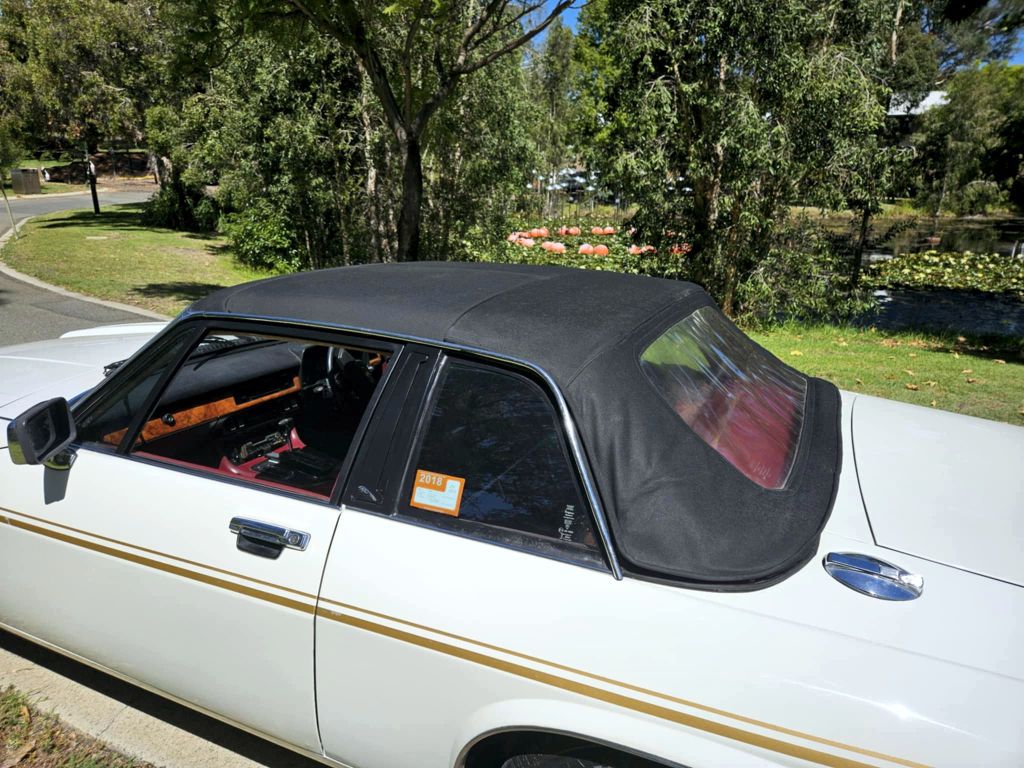
The Cabriolet version of Jaguar’s V12 grand tourer, this is the later model “HE” High Efficiency version of the XJS identifiable by its 5-spoke “Starfish” alloy wheels.
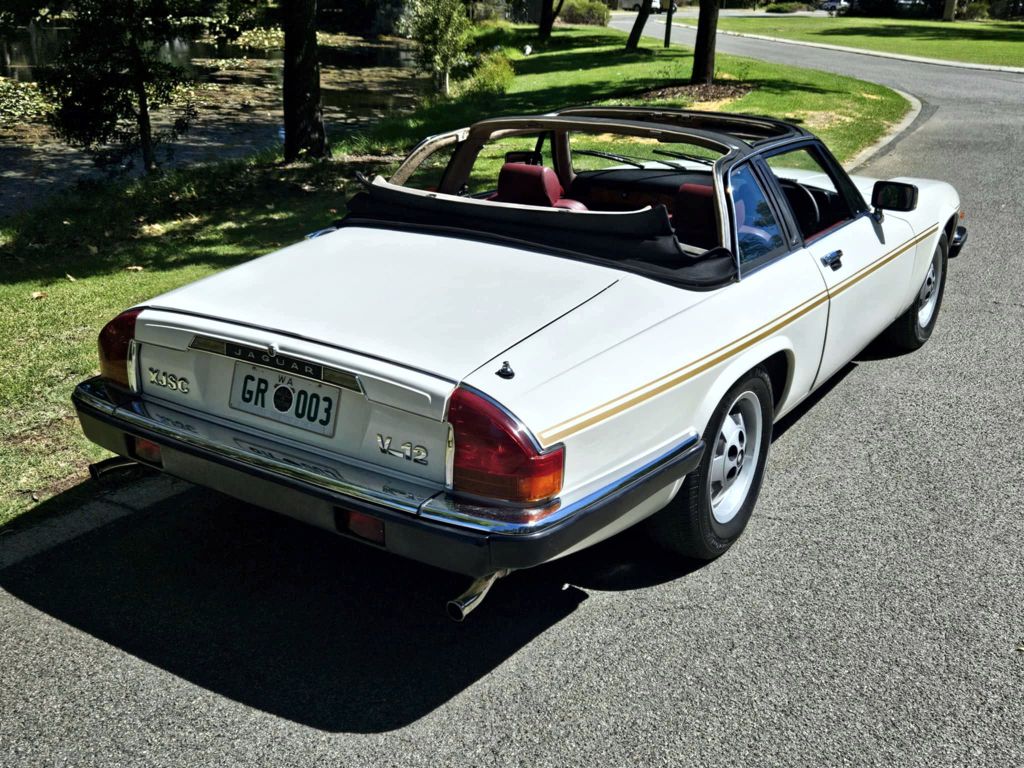
The XJ-SC has a ‘targa-type’ open roof, configurable in different ways. Only 3863 XJ-SCs were made with production ending in 1988. Most were produced for the US market with only a small proportion 950 right-hand drive – with just 191 coming to Australia.
This car was delivered new in Perth, to the daughter of WA tycoon Alan Bond in 1985. She took the car to New South Wales and later sold the car to a Sydney doctor. It then spent several years in Sydney, changing hands a couple more times.
The current Perth owner purchased the car in 2020 and had it returned to Perth. After arrival in Perth, major work was undertaken on the car. Some $14,000 was spent to ensure everything worked as it should. More work and servicing followed up most recently, in February 2025, the car had a minor service and oil change and fluids and safety check by a Jaguar specialist workshop.
This Jaguar drives well, with the engine pulling progressively and well with smooth gearchanges. Engine operating temperature and oil pressure are within specifications. The XJ-SC provides a smooth and relaxed drive – just as Jaguar intended.
The interior of the car presents well, with the burgundy leather upholstery and polished woodwork on the dash and doortrims.
Externally the car would benefit from some attention in small areas to return the car to a high standard. Most of the paintwork presents well, so only localised repairs would be in order.
The air conditioning compressor and associated fittings have been removed. Some of the parts will be provided at sale. With the car is a set of correct boot lid (V-12 and XJ-SC) badges, original toolkit and two workshop manuals.
This car has seen minimal use over the past five years. It shares a garage with another Jaguar. The odometer shows 176,000km. This lack of use has precipitated the car’s sale. This is not a show car and has been priced accordingly. The cosmetic items needed could be done over time, or at home by an enthusiast.
It’s the owner’s intention to retain the number plates GR 003.
The XJ-SC should provide a new owner many years of motoring pleasure. A usable everyday classic, with all the luxury and performance which the model stood out with back when it was new. There is excellent service and parts support for the model and an active Jaguar Car Club to help you maximise your enjoyment.
Please request a more detailed description and more photos by email from paul@classicrally.com.au
Whilst every effort to ensure accuracy is made when preparing the description of a car, much of the information is provided by the owner and cannot be guaranteed to be accurate and complete. Some errors and omissions occur occasionally and we cannot be held liable for any loss or damage arising from incorrect or incomplete information or any reliance which might be placed on information provided. Any potential purchaser is advised to make his or her own independent investigations or inspections to determine title and whether a vehicle is suitable for purchase.
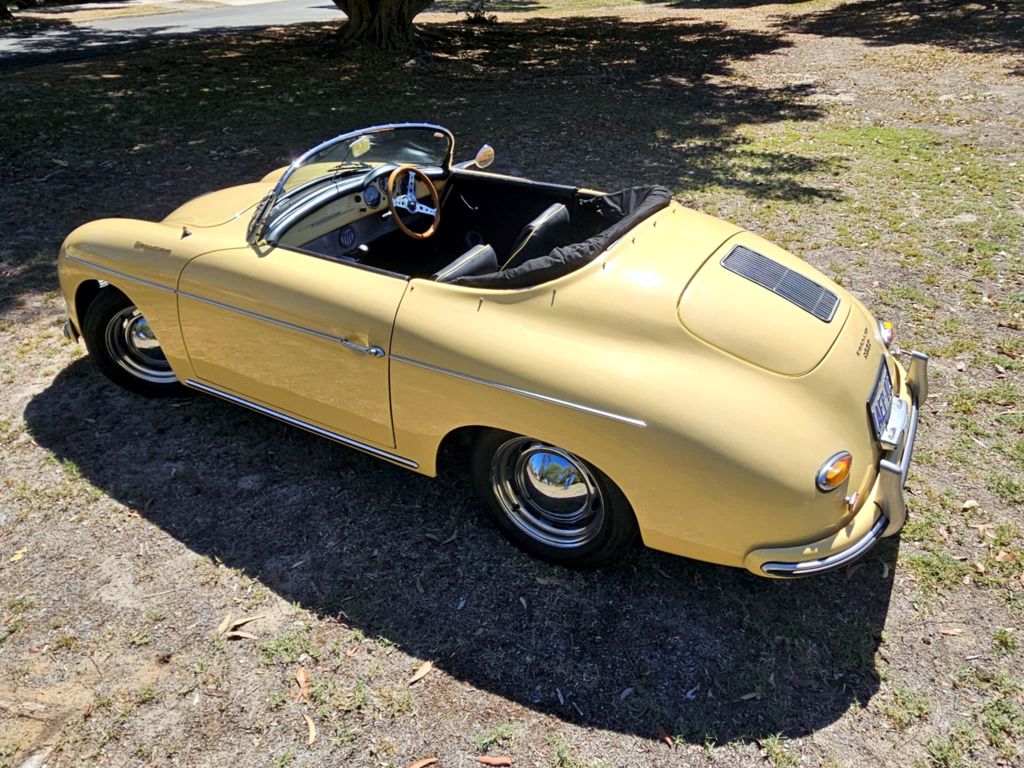
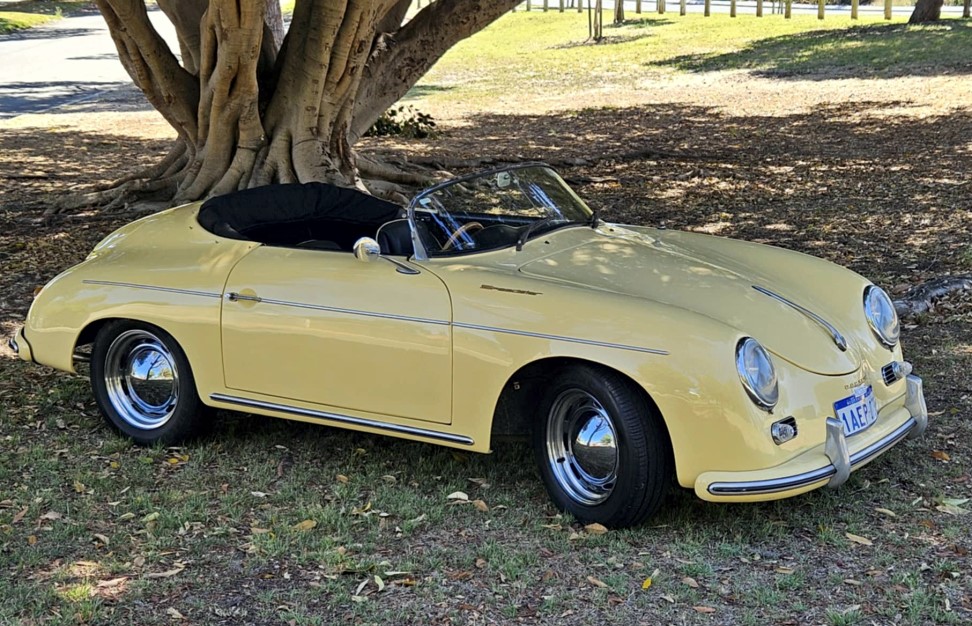
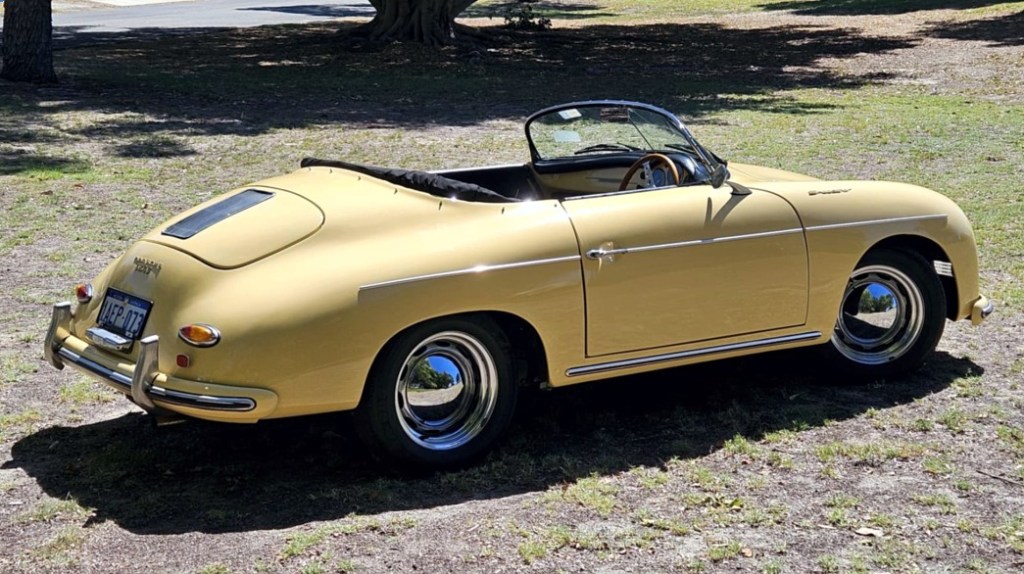
One of the most iconic sports car designs of all time is the Porsche 356 Speedster. Several companies have built accurate replicas over the years, utilizing the floorpan and running gear from the Volkswagen Beetle, not dissimilar to the original Porsche. With fibreglass bodies and many specially produced hardware items these make excellent replicas.
The early history of this car is unknown to its owner. Importantly, it is registered as a Roadster, meaning the appropriate approvals were sought for licensing the car, not merely carrying over registration from a Volkswagen donor car.
In 26 years of current ownership, the car has provided a lot of fun. It has been the subject of several upgrades over the years.
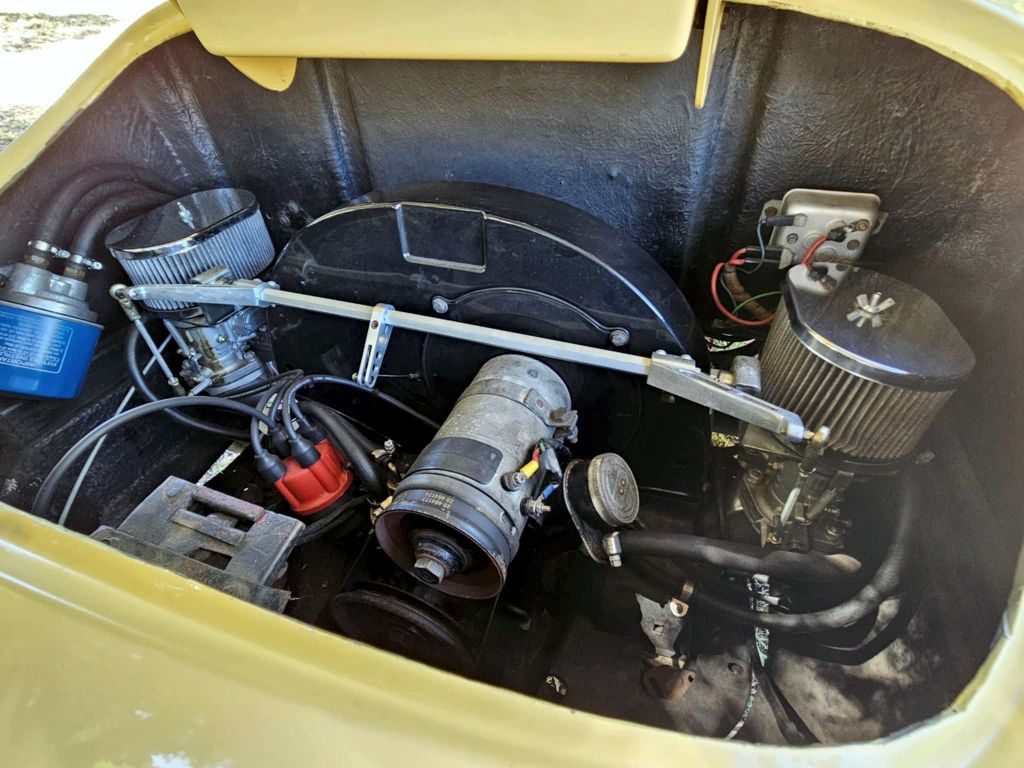
The Speedster was treated to a new 1700cc engine in 2004. Fitted with twin Weber carburettors and a sports exhaust, it boosted performance of the Speedster.
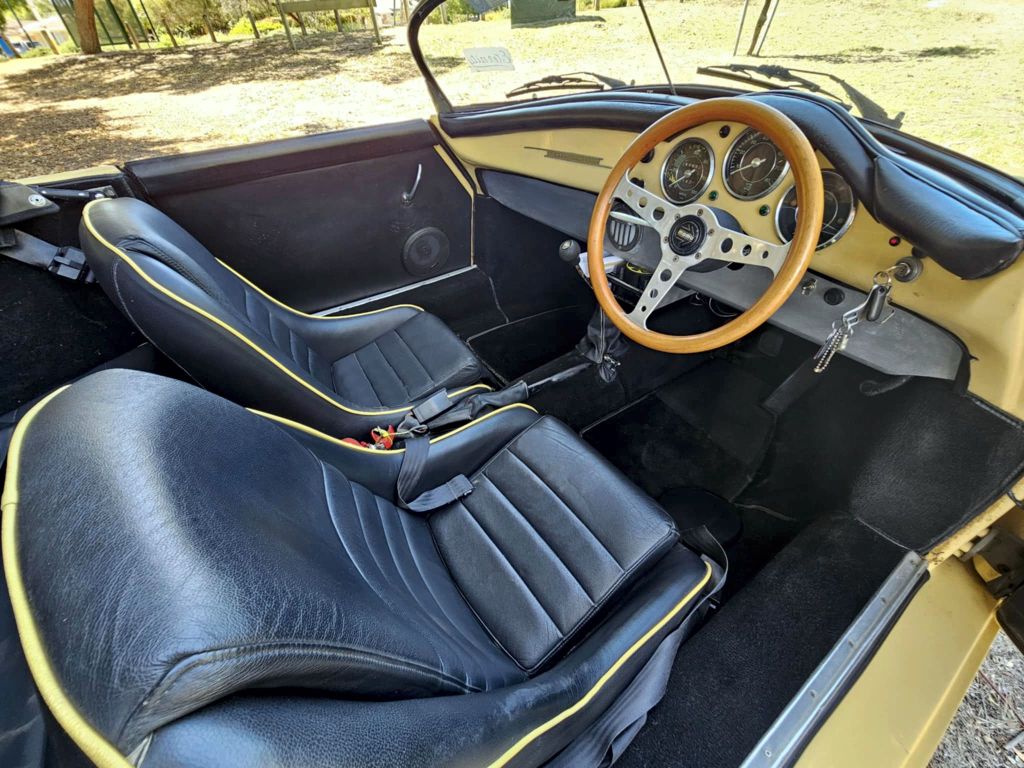
The car was repainted in a high quality finish. The colour suits the car well, being subtle enough to show off the curvaceous styling well. New leather upholstery was fitted, with a new soft top and carpets.
Two years ago the car had major servicing work undertaken, when the carburettors were rebuilt and a new clutch installed.
This little sports car presents well. It’s not a trailer queen, but a sound, tidy and smartly presented example.
It starts immediately and drives well, exhibiting the 1950s sporting characteristics the Speedster is renowned for. The combination of sporty engine sound, low driving position and open cabin give a feeling of performance and speed beyond reality! Great fun.
This car offers a great experience and an accessible price point. A well-loved example, thoughtfully upgraded, this Speedster is sure to offer the next owner years of fun.
Please request a more detailed description and more photos by email from paul@classicrally.com.au
Paul Blank Classic Car Broker MD28143 Registered 1AEP073
Whilst every effort to ensure accuracy is made when preparing the description of a car, much of the information is provided by the owner and cannot be guaranteed to be accurate and complete. Some errors and omissions occur occasionally and we cannot be held liable for any loss or damage arising from incorrect or incomplete information or any reliance which might be placed on information provided. Any potential purchaser is advised to make his or her own independent investigations or inspections to determine title and whether a vehicle is suitable for purchase.















 Paul Blank