
We’re being bombarded by many new Chinese brands, vying for buyers’ attention. Most are relatively new names from the hundreds of start-ups supported by the Chinese government.
Lots of new Australian companies have been set up to distribute new Chinese brands, some with little experience, tantalized by how cheaply they can buy these vehicles…
The majority of Australian buyers have an approximate type of vehicle in mind – these days usually a 4-wheel-drive 4-door ute or an SUV… There’s plenty to choose from. An over-riding purchasing factor is price.
Long warranties sweeten the deals – to give buyers confidence. If you’re buying a Xpeng, Zeekr, Jaecoo, Skyworth, Farizon, GAC, or Leapmotor you want to know it’s more than the shape you had in mind and cheap. All cars have lots of tech these days to meet the ANCAP safety requirements, so if your last car was a few years old, any new car seems high tech. Don’t fall for the trap of buying the first new car you drive because “it’s got everything in it” – they all have.
Online ‘research’ will tell you any new car is “the best car I’ve ever owned”, often from a low bar.
But what happens as the market develops? Not every company importing new brands will succeed. Every month a new brand arrives. Discounting and even longer warranties get offered. Then other incentives and ultimately a discounting war… Not all importers have the experience, backing or product to survive.
If an importer fails, what happens with the cars they sold? The long warranty will be useless. Parts availability will dry up (and often was poor anyway). Values plummet. The cars head to the grave and the owner regrets the purchase.
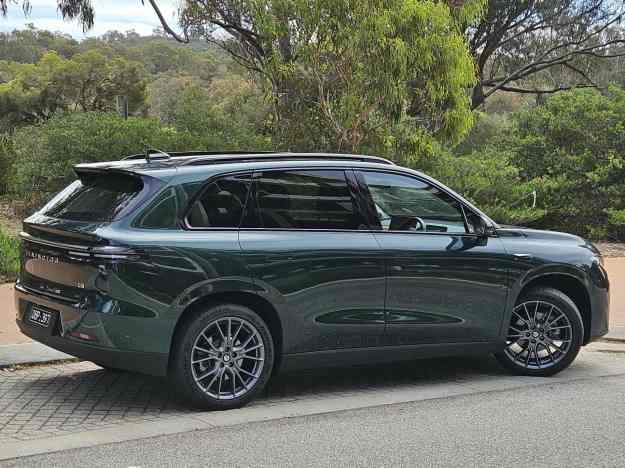
The Leapmotor I tested for a week is from a brand half-owned by Stellantis (makers of Chrysler, Jeep, Fiat, Alfa Romeo, Opel, Peugeot and more). In Australia the Fiat Chrysler distribution company handles the brand. Neither are fly-by-nighters likely to leave Leapmotor buyers high and dry.
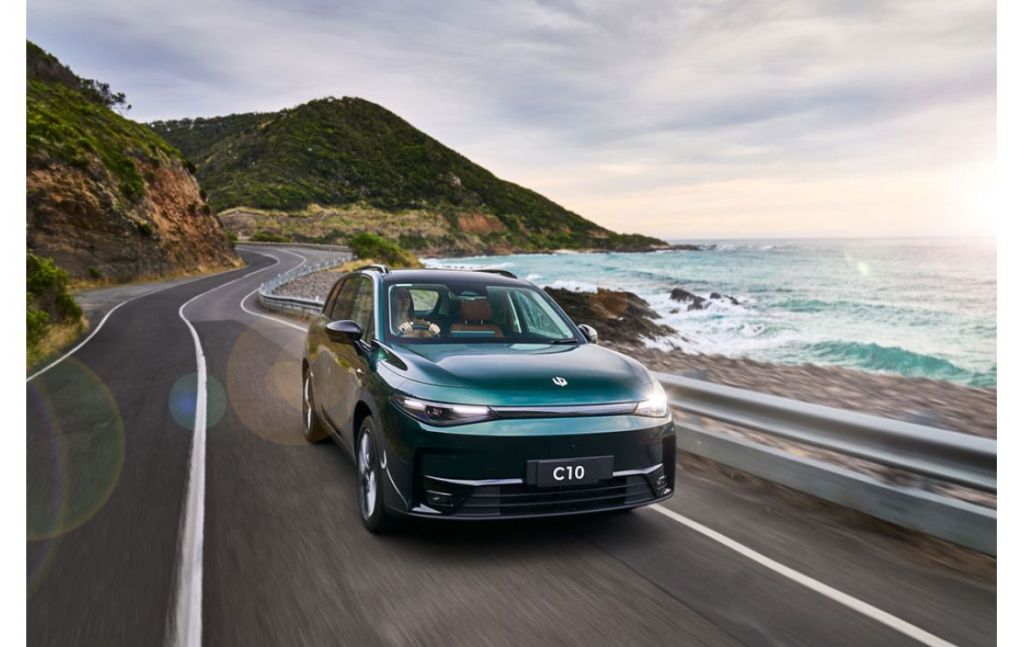
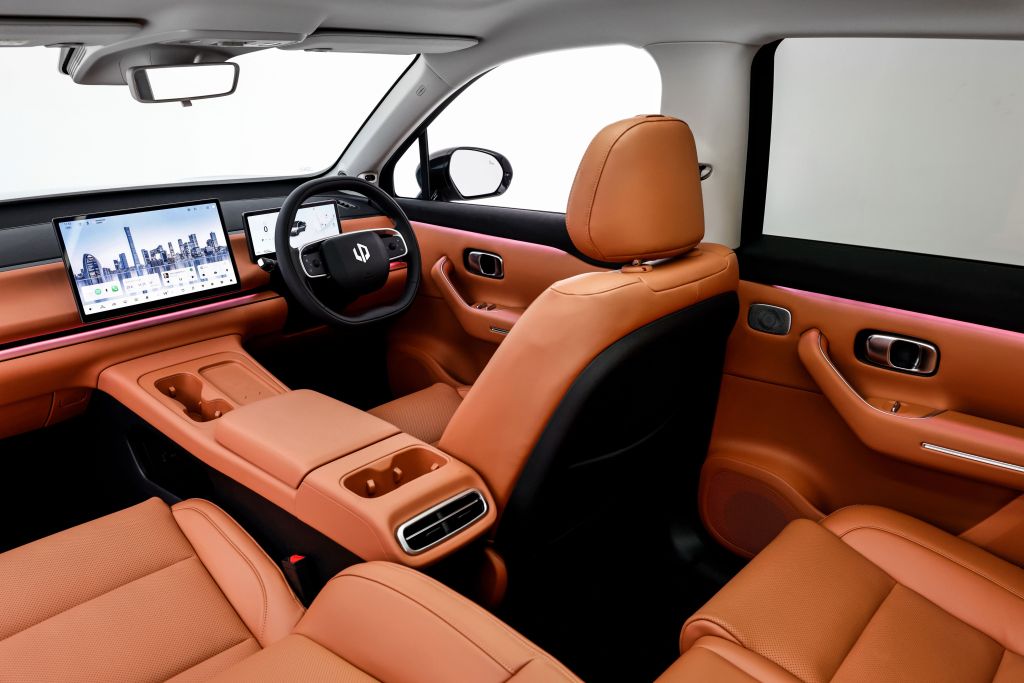
So it deserves attention. How good is the C10? It looks pretty good, not aggressively ugly like so many of its competitors. Inside is sparse in a modern way and impressively spacious, with excellent back seat room. The test car was fully electric, with decent performance, handling and braking. The calibration of the electronic driving aids is pretty well-resolved. So far, so good.
On the downside, an ex-BMW engineer obviously designed the counter-intuitive indicator stalk. It’s an almost button-free car. You need to explore screens to make simple adjustments such as the external mirrors and direction of vent airflow. To get in, you tap a credit card size key on the driver’s mirror (only) and the car unlocks and awakens. Unless there’s rain on the mirror which you need to wipe off… Place the card flat in the centre console and it’s ready to go upon gear selection. When you leave the car, it’s all active until you tap the mirror. Trying to be a bit too clever hasn’t really worked.
The seats initially feel plush, but offer little support and all too quickly lead to a numb bum. I liked the huge panoramic glass roof.
At $45,888 for the fully electric and $49,888 for a more sensible hybrid, the pricing is competitive. However, to boost sales, lower pricing in drive-away deals for old stock are being offered.
For the money you could get a worse design, a worse driving car, one from a dodgy importer or a manufacturer which ultimately may not support the brand. Yes, you could do a lot worse – and there’s plenty worse out there.
 Paul Blank